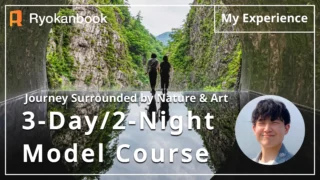

This 2-night, 3-day Aizu model itinerary isn’t just about touring attractions—it’s a journey themed around “luxurious adventures for adults.”
Experience a stay where the journey itself is prepared for you at an exclusive, one-group-per-day inn. Become one with nature at Japan’s most abundant hot spring source. And conclude your trip with an aerial view of Numajiri’s vast landscape.
Each experience is unique to this destination, offering a profoundly refined escape from the ordinary that resonates deeply, especially with seasoned travelers.
A journey that merely hits the classic spots feels insufficient. For those who seek to deeply connect with Aizu’s nature and culture while enjoying the ultimate escape from the everyday, this model course is perfect—a harmonious blend of tranquility and stimulation.
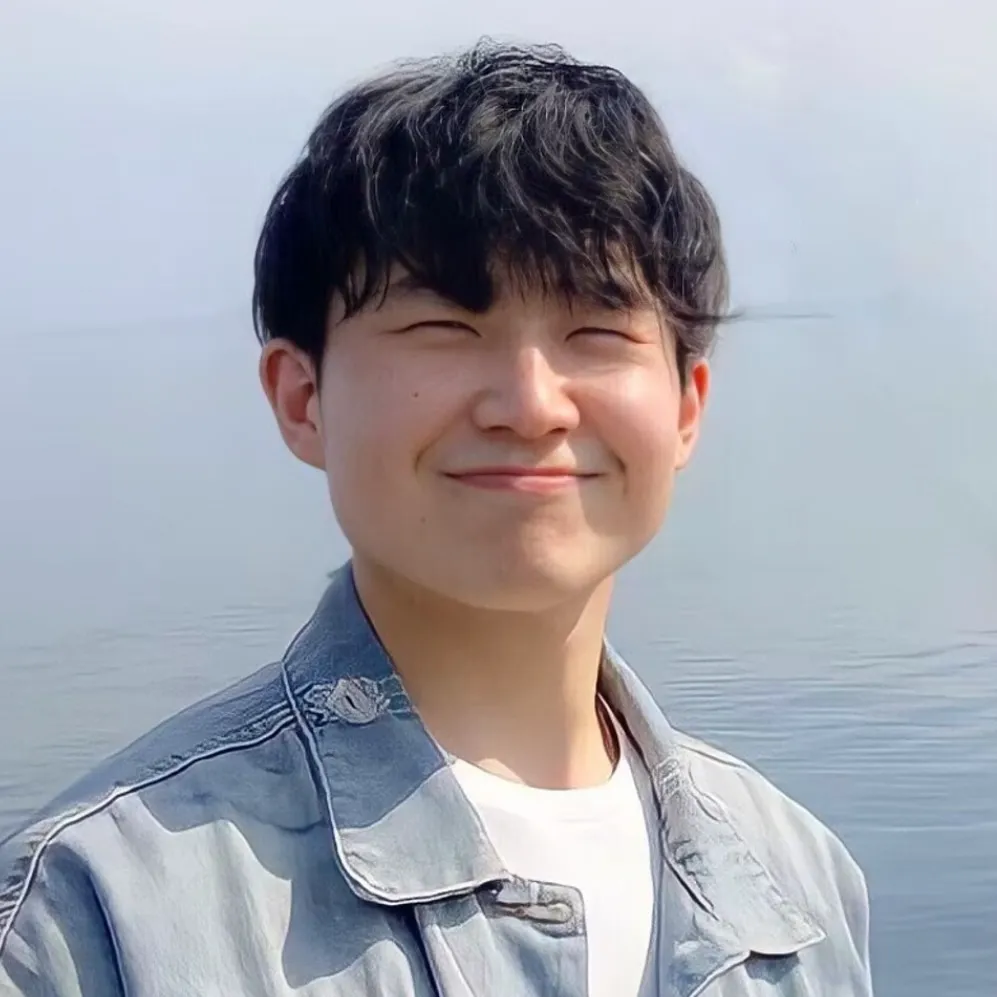
Kensuke Matsuyamaー Ken of the World
Ken launched the social media channel “Ken / Solo Japanese Style” after living in Poland, sharing content that connects Poland and Japan. He now creates videos focusing on Japanese culture and everyday Japanese life, reaching a total of one million followers. He also runs “Japan of Japan” a channel introducing traditional inns and hidden local spots across the country, with over 60,000 YouTube subscribers. Through a distinctly Japanese perspective, he showcases the authentic charm of Japan beyond its major cities to audiences around the world.
Day 1: Aizu’s Nature and History, Then to an Inn That “Produces Your Journey”
From Tokyo, take the Tohoku Shinkansen to Koriyama.From here, board the shuttle bus to tonight’s lodging, “Tsuruga Higashiyama Sōhonzan,” touring Aizu’s famous sights en route. This efficient model itinerary for Day 1 makes the journey itself part of the adventure.
Goshikinuma Lakes ― Aizu’s Nature Creates a “Landscape of Colors”
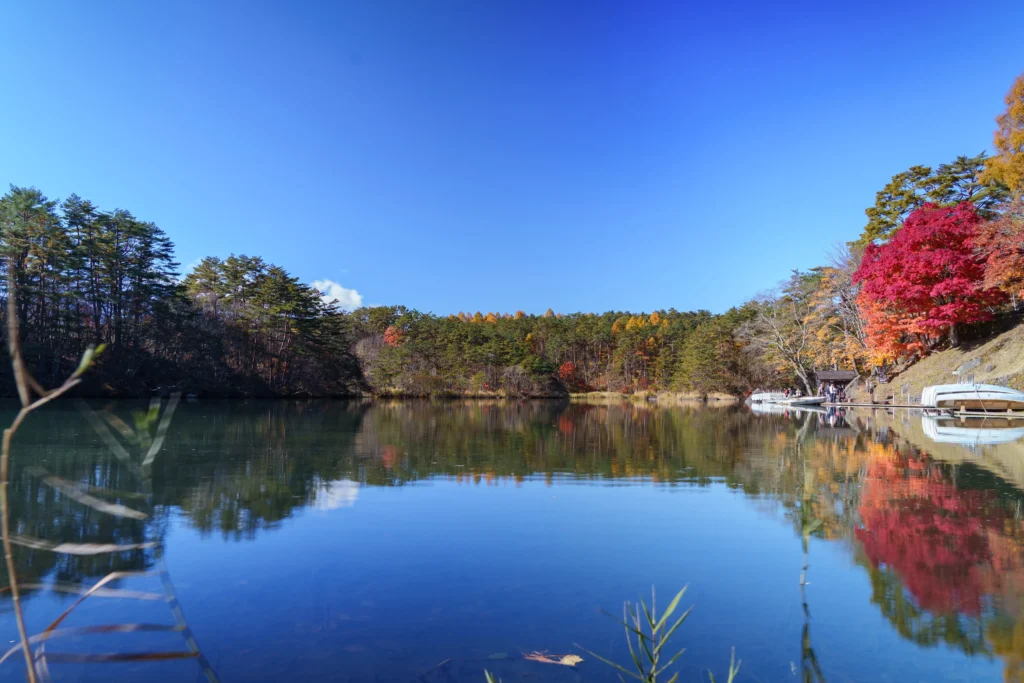
The first stop is Goshikinuma, a scenic spot representative of Aizu.
It features a unique landscape where several lakes and marshes gather, each displaying different colors such as emerald green and turquoise blue. The colors change depending on the weather and the angle of the light, making it suitable for strolling in any season. Boating is also popular, and spending time surrounded by the quiet lake surface allows you to feel the richness of nature unique to Aizu.
Il Regalo ― Authentic Italian Cuisine Featuring Local Ingredients
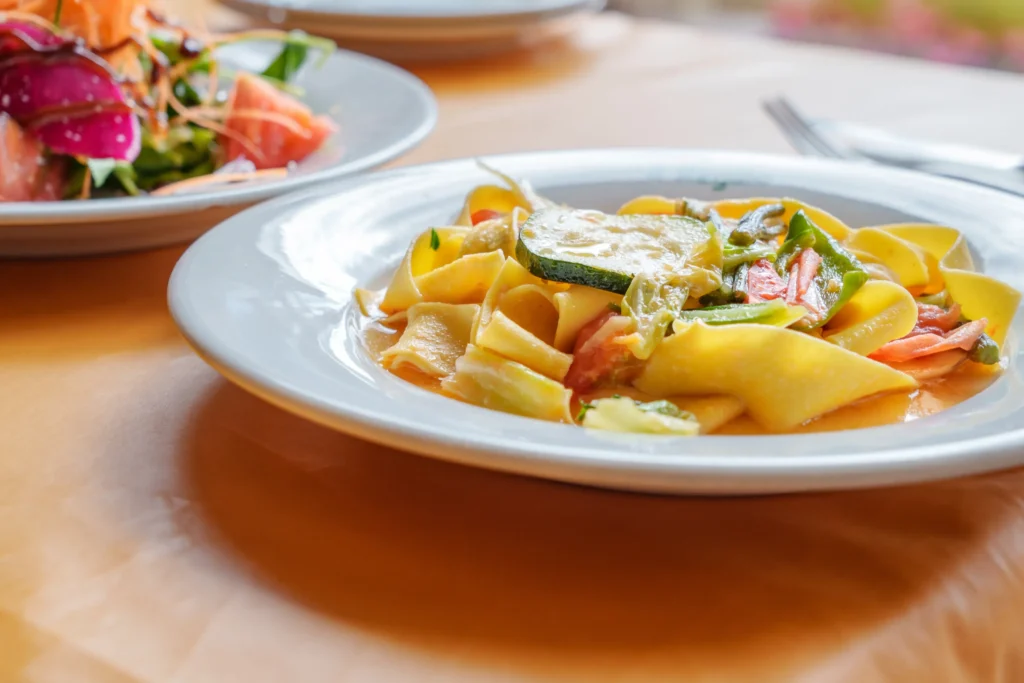
After the walk, enjoy lunch at the Italian restaurant Il Regalo, located near Goshikinuma.
The dishes, made primarily with produce from the restaurant’s own garden and local farmers, are of such high quality that you’ll forget you’re in the middle of a trip—offering a renewed appreciation for Aizu’s exceptional ingredients.
Tsurugajo Castle ― Aizu’s Symbol, Changing with the Seasons
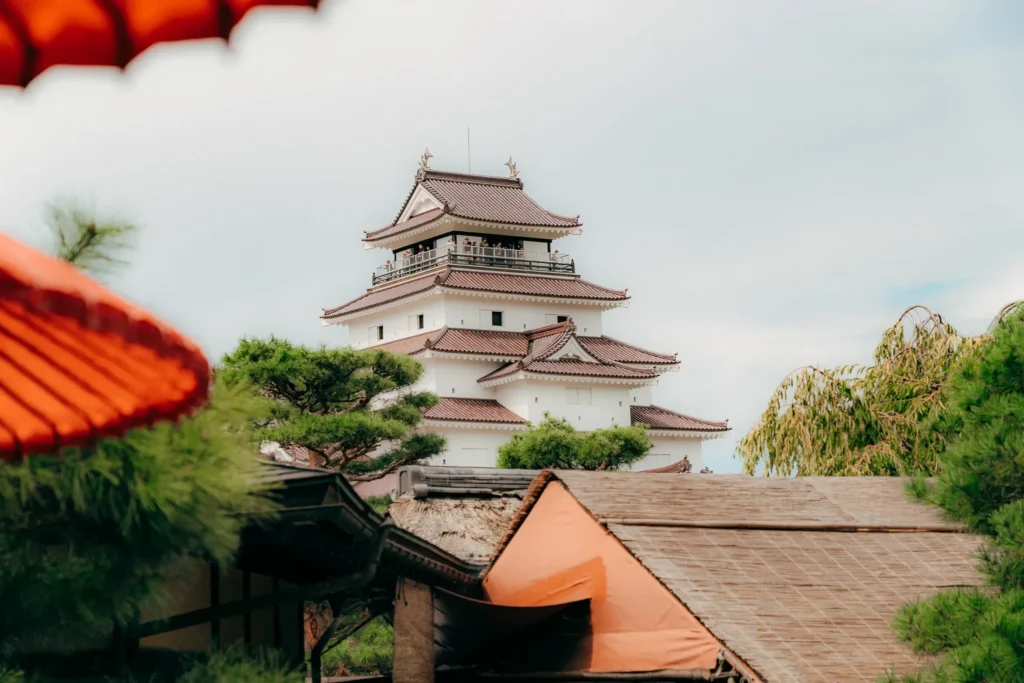
Next up is Tsurugajo Castle, the symbol of Aizu-Wakamatsu.
Cherry blossoms, fresh greenery, autumn leaves, snowy landscapes… It reveals different beauties each season, allowing you to leisurely enjoy quintessentially Japanese scenery.
Inside the castle, exhibits on samurai culture and the Boshin War provide ample interest for history enthusiasts.
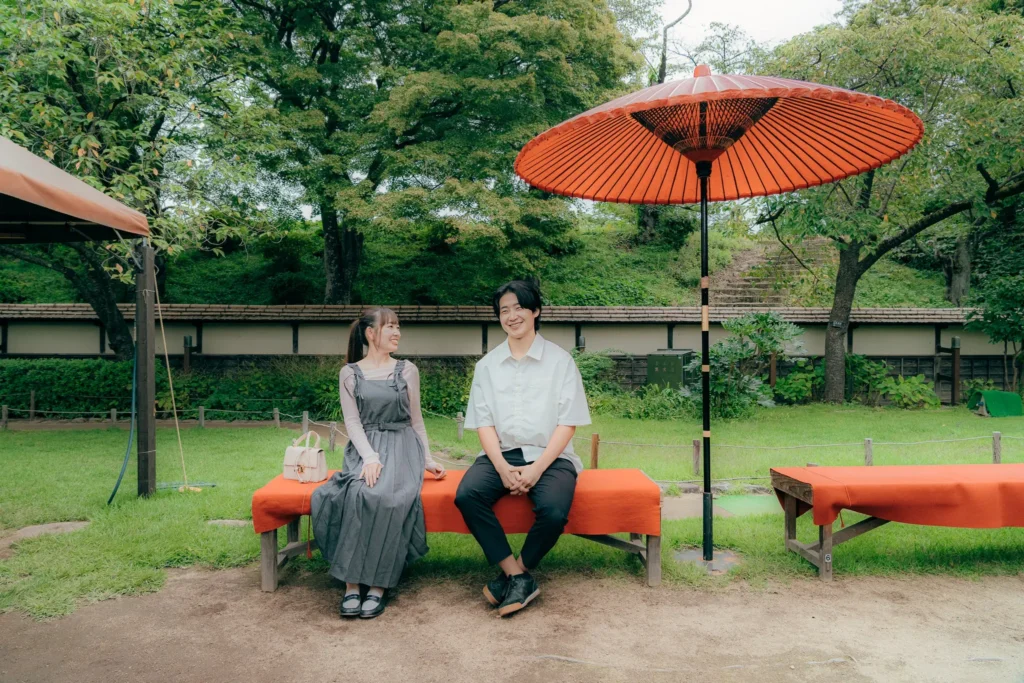
The tea room “Rinkaku” within the grounds offers the appeal of experiencing authentic matcha culture.
For details on Tsurugajo Castle → Here
Tonight’s Highlight: Tsuruga Higashiyama Sōhonzan
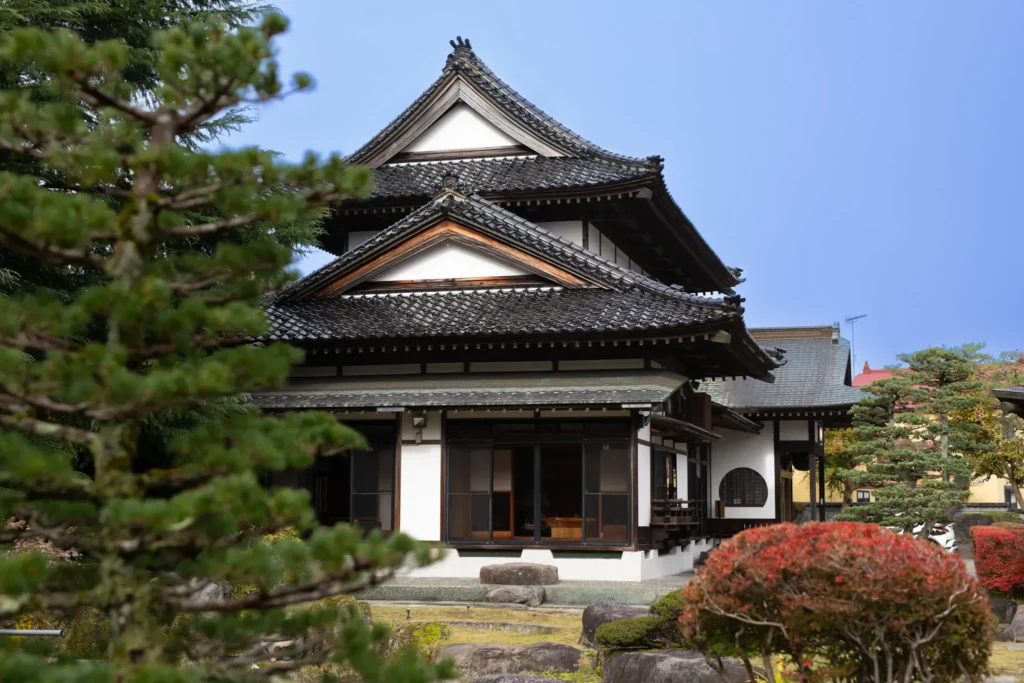
Leaving Tsurugajo Castle behind, just a few minutes by car.
Heading toward Higashiyama Onsen, the exclusive one-group-per-day inn “Tsuruga Higashiyama Sōhonzan” finally comes into view. This place is known not merely as a “lodging facility,” but as a destination that produces your entire journey.
Welcome Drink ― Gateway to “The Tale of Japan”
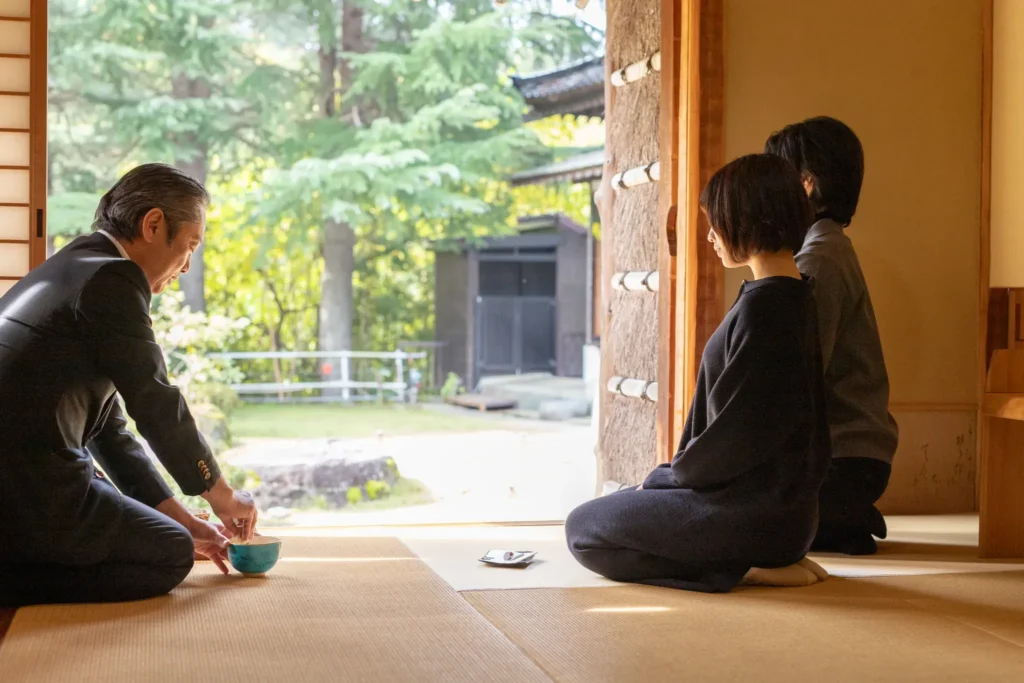
Upon arrival, guests are first guided to a tea room overlooking the garden, where their stay begins with a welcome matcha drink. The garden reflecting the colors of the seasons, the sound of the wind, the scent of tatami mats—all work to ease the tension of travel and quietly center the mind.
Staff describe this space as “The Essence of Japan,” and this first cup naturally draws you into the world of Tsuruga.
Concierge Butler ― “The Travel Wizard”
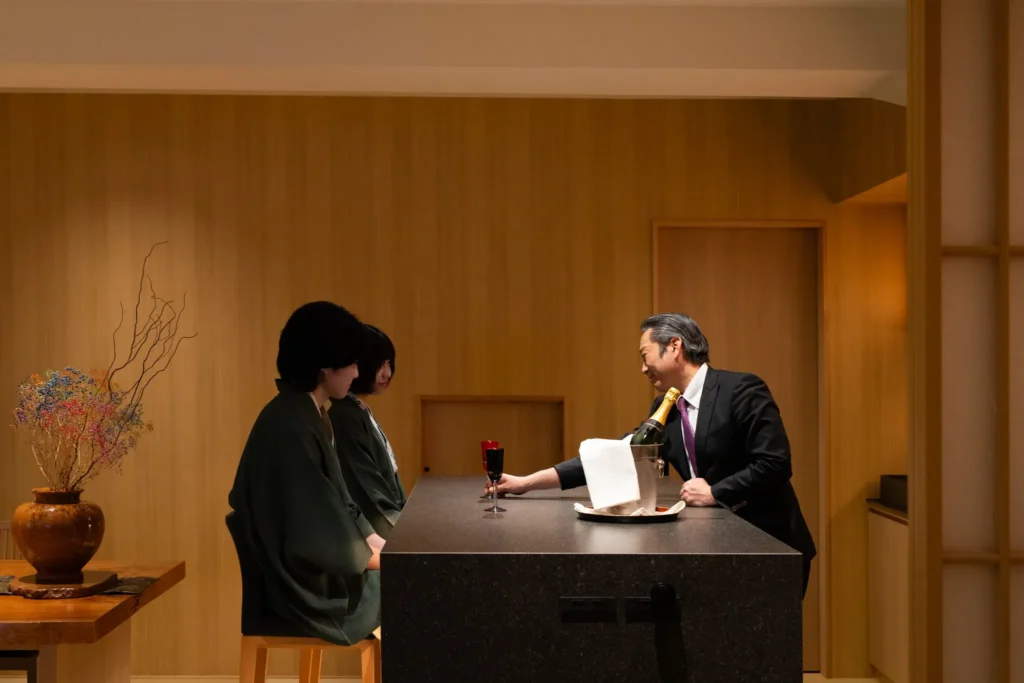
Tsuruga’s defining feature is the presence of this “Concierge Butler.” Combining the roles of a concierge—often likened to a “magician” in Europe—and a butler, it handles everything from travel consultations to support during your stay.
For example,
- Travel Planning
Based on your preferences, we propose the optimal itinerary—from which attractions to visit and how to get there, to dining options and seasonal highlights. - Transportation and Travel Arrangements
We provide flexible support not only for check-in and check-out, but also for getting to nearby spots. Enjoy peace of mind even without local knowledge. - Comprehensive care throughout your stay
From adjusting meal times to preparing drinks and rooms, they attend to every detail with attentive care, like having your own personal staff.
Limiting stays to one group per day allows the entire inn staff to focus solely on you. This intensely personalized service is precisely why Tsuruga receives so many high ratings.
Because we host only one group per day, all the inn staff can focus entirely on our guests. This high-density service is precisely why Tsuruga receives so many high ratings.
Guest Room ― A 169㎡ space enveloped in tranquility
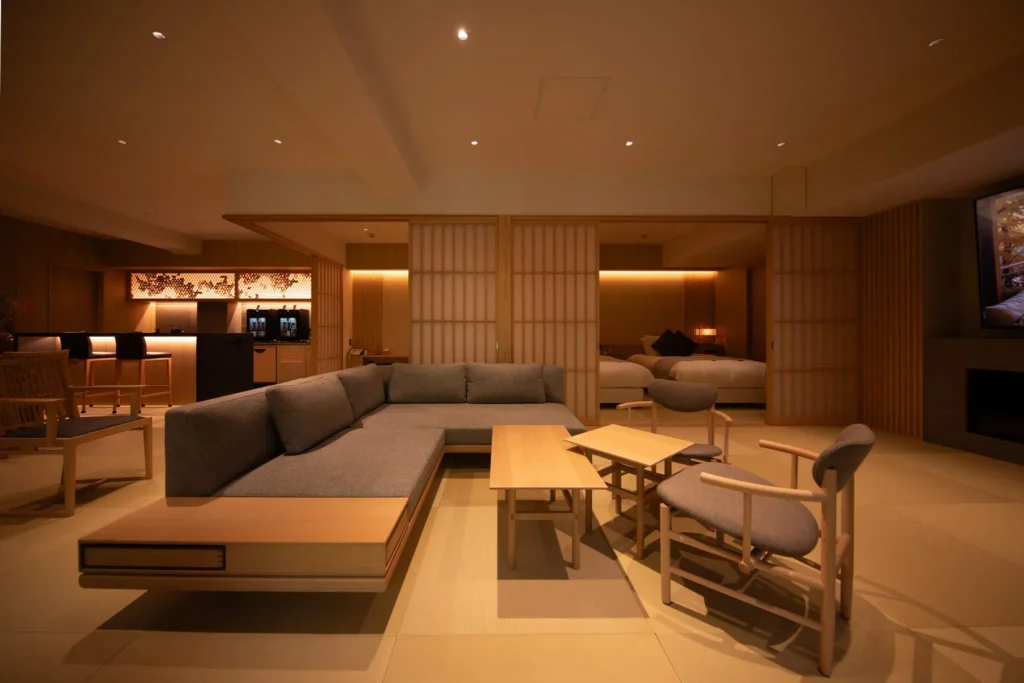
The guest room features a spacious 169㎡ layout. Designed to seamlessly connect the green bamboo grove outside the window with the interior décor, it offers a sense of “living with nature.” The entire floor is covered in Ryukyu tatami mats, creating a rare, barrier-free design where you can walk directly into the bathroom without any steps. This is a particularly unique experience for international guests, who often find the continuous softness of the tatami mats impressively comfortable.
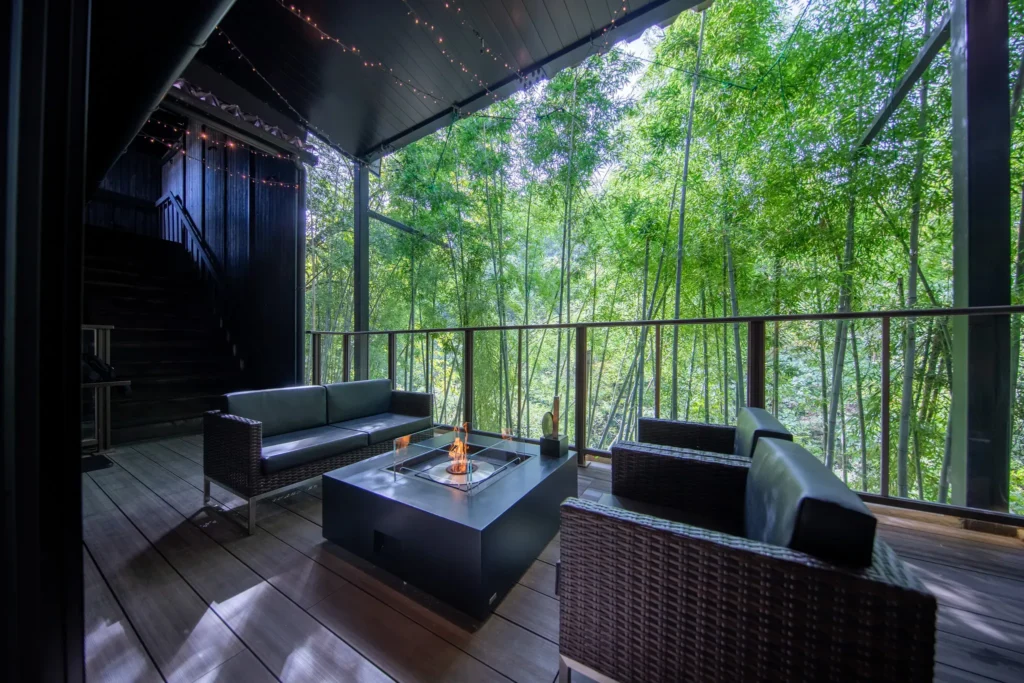
Stepping out onto the terrace, the sounds of bamboo and the river echo, and depending on the season, the chirping of insects fills the air. In winter, the quiet of snow drifts through the air. It feels like a completely different world from the urban bustle, offering an overwhelming “luxury of silence.”
Hot Springs & Sauna ― The luxury of stepping straight onto tatami mats in a semi-open-air bath
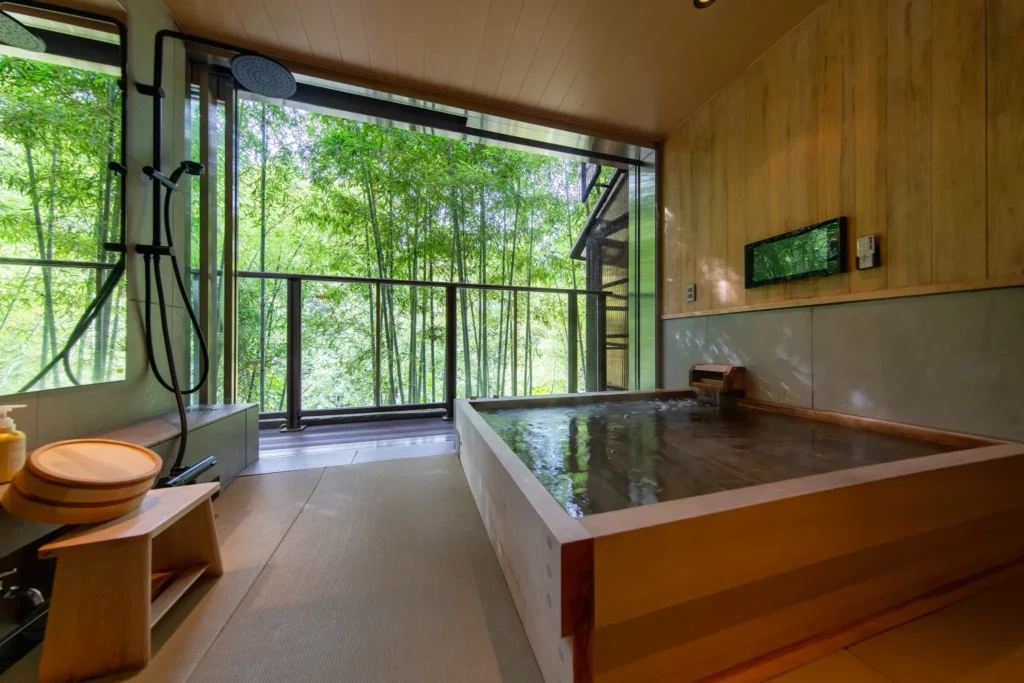
The bathroom features the rare “sugar-based Ryukyu tatami mats.” The bathtub’s rim is smooth, making the experience of walking barefoot across the tatami to the bath itself pleasantly comfortable. Opening the window reveals a bamboo grove in the semi-open-air bath.
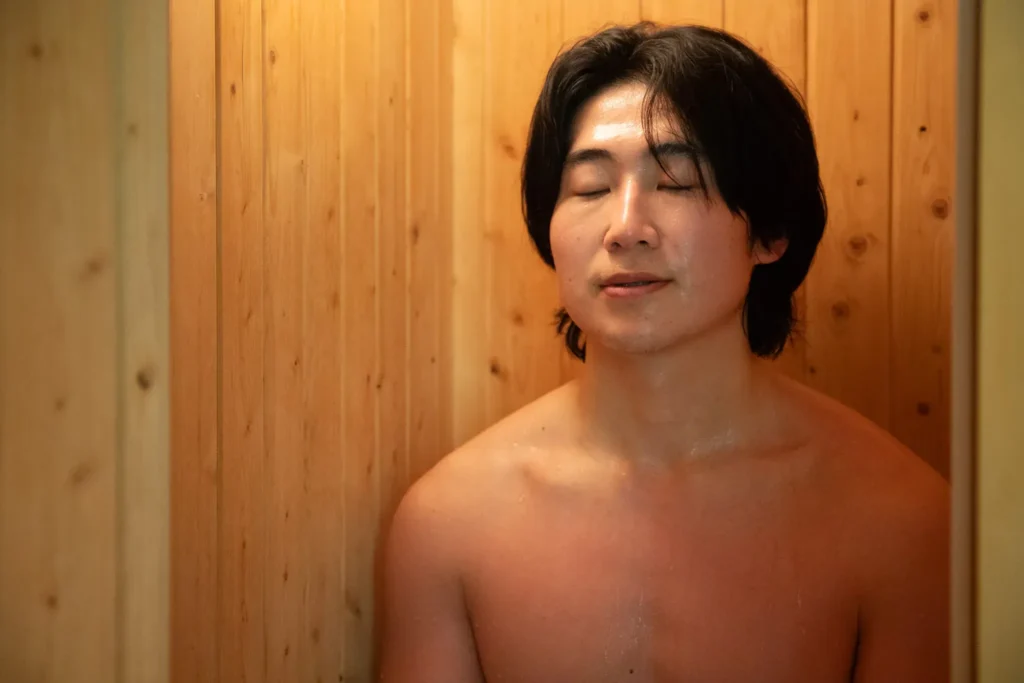
A small sauna is also provided, allowing you to enjoy the sequence of warming up in the sauna → then taking an open-air bath on the terrace with views of the bamboo grove. Experiencing this “rejuvenating” time in such an environment is truly special.
Bar Counter ― A quiet, rewarding space to enrich your travel nights
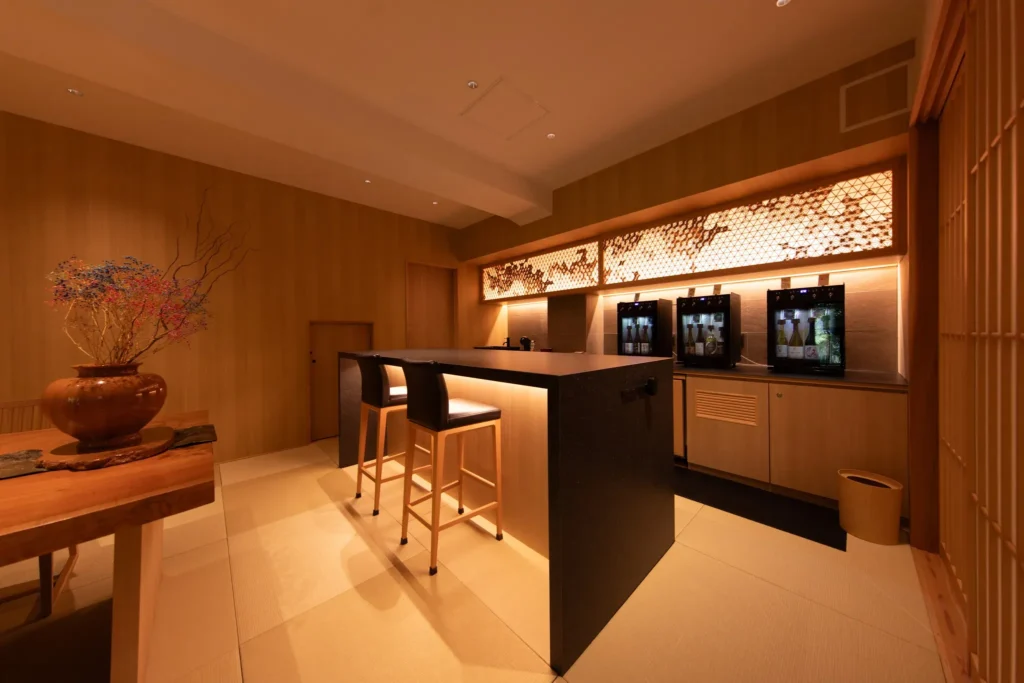
Tsuru-ga offers an all-inclusive format. Guests can freely enjoy local sake, wine, shochu, and soft drinks.
According to the staff,
“Regardless of whether you drink or not, just having that lineup available boosts satisfaction.”
The selection of Aizu local sake is particularly extensive, creating an irresistible environment for sake enthusiasts.
Dinner ― A Full Course to Savor Aizu Culture
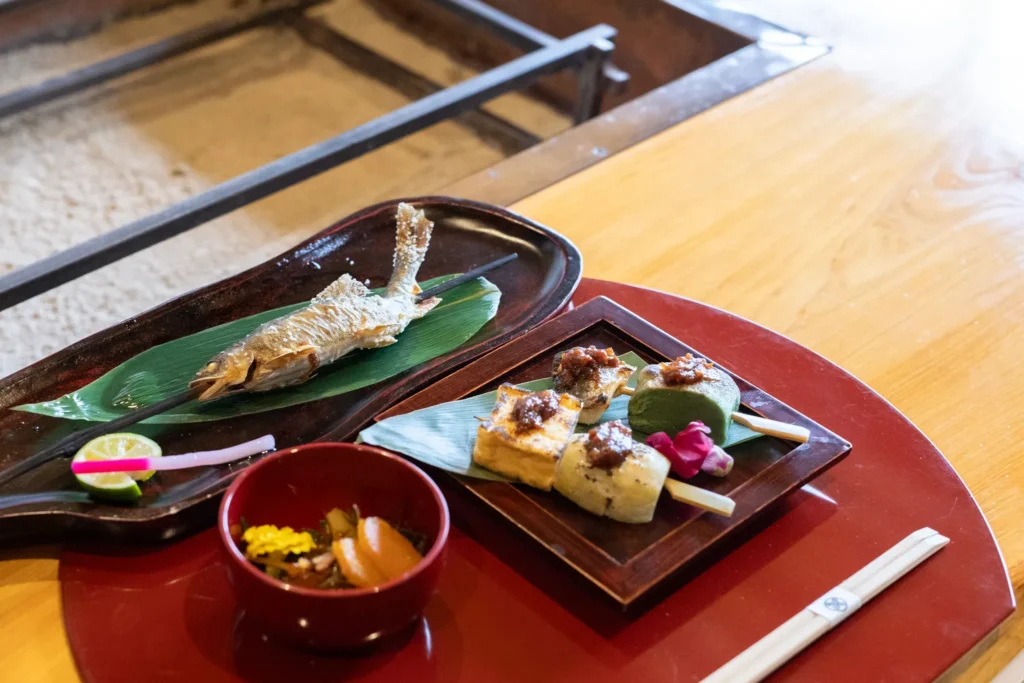
Dinner is an indulgent full-course meal that lets you savor Aizu’s traditional food culture.
It features kozuyu (a delicate local soup with vegetables and dried scallops), salt-grilled river fish, tempura manju (a deep-fried sweet bun), Aizu soba, sakura nabe (horse-meat hotpot, a regional specialty), and seasonal fruits—each dish highlighting the flavors of the region and the chef’s careful craftsmanship.
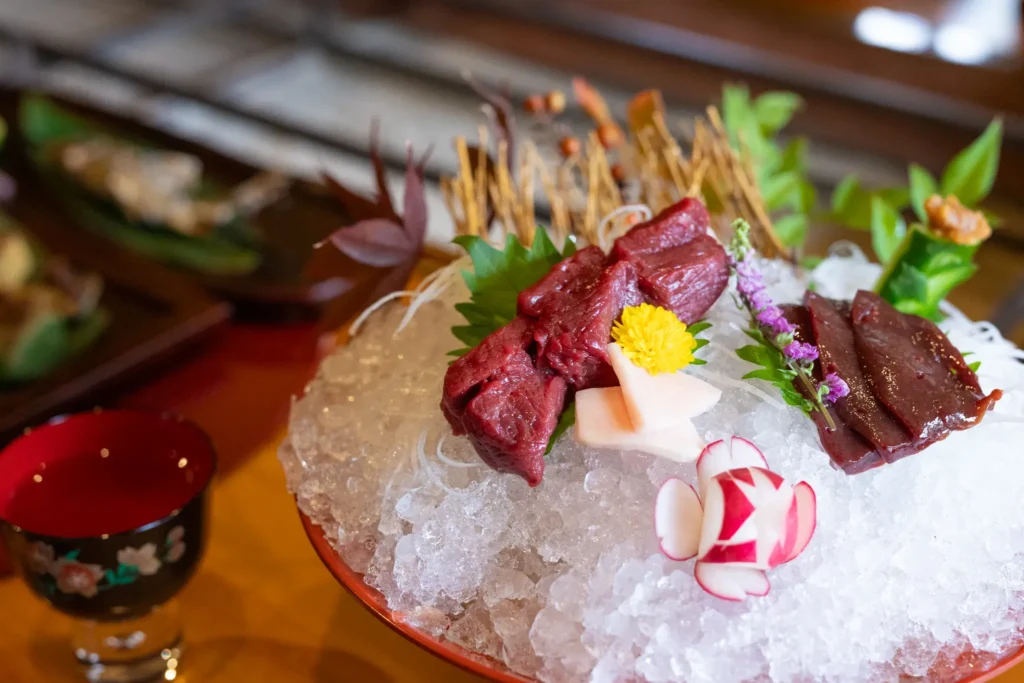
Above All, the Inn’s Signature, Basashi: Horse Sashimi
What truly defines this inn is its horse sashimi.
Tsuruya is operated by a renowned horse-meat restaurant group—so famous in Aizu that virtually everyone knows the name—and its quality is considered among the very best in Japan.
The most astonishing part is that this is the only place where you can enjoy horse chateaubriand raw, served as sashimi.
Normally, horse sashimi features lean cuts such as lean meat or loin, but here you can compare exceptionally rare cuts like chateaubriand, mane fat, and liver.
The sweetness of the fat is remarkably elegant, the umami is delicate, and the texture melts softly on the tongue.
In just one night, you can experience the very pinnacle of Aizu’s proud horse-meat culture.
For more details and guest reviews of Tsuruya, click here → Here
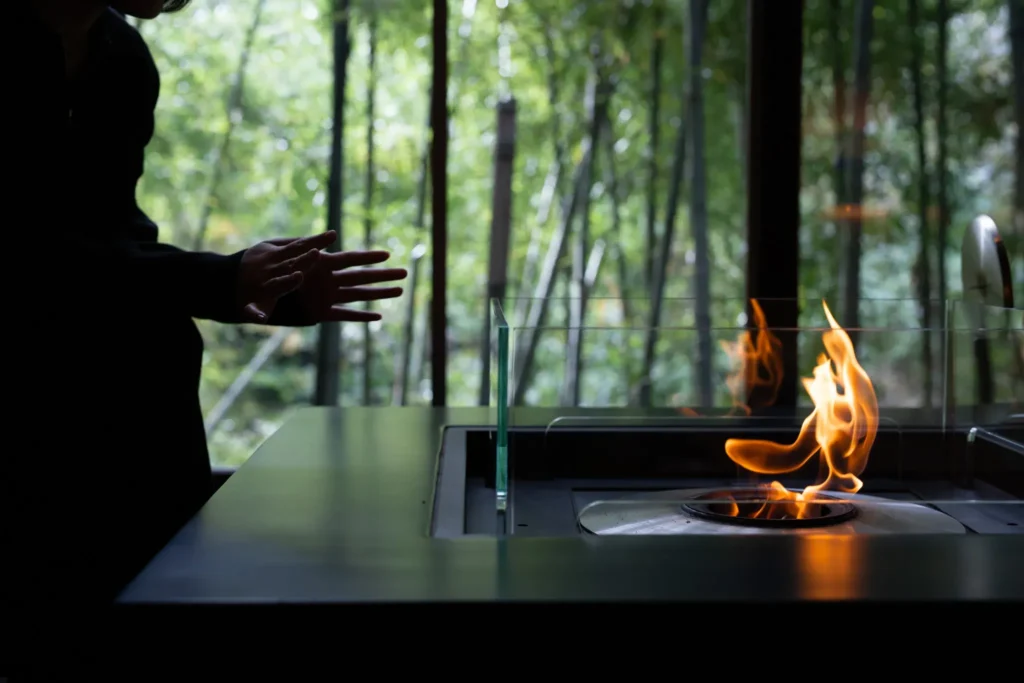
Gazing at the fireplace flames, I reflect on the day’s flow and realize how nature, history, food, and lodging weave together into one story. Travel isn’t just about “where you go”; it changes shape depending on“who produces it and how.” This first day promises to be special, allowing you to truly experience that.
Day 2: An Extreme Adventure in Inawashiro and Numajiri
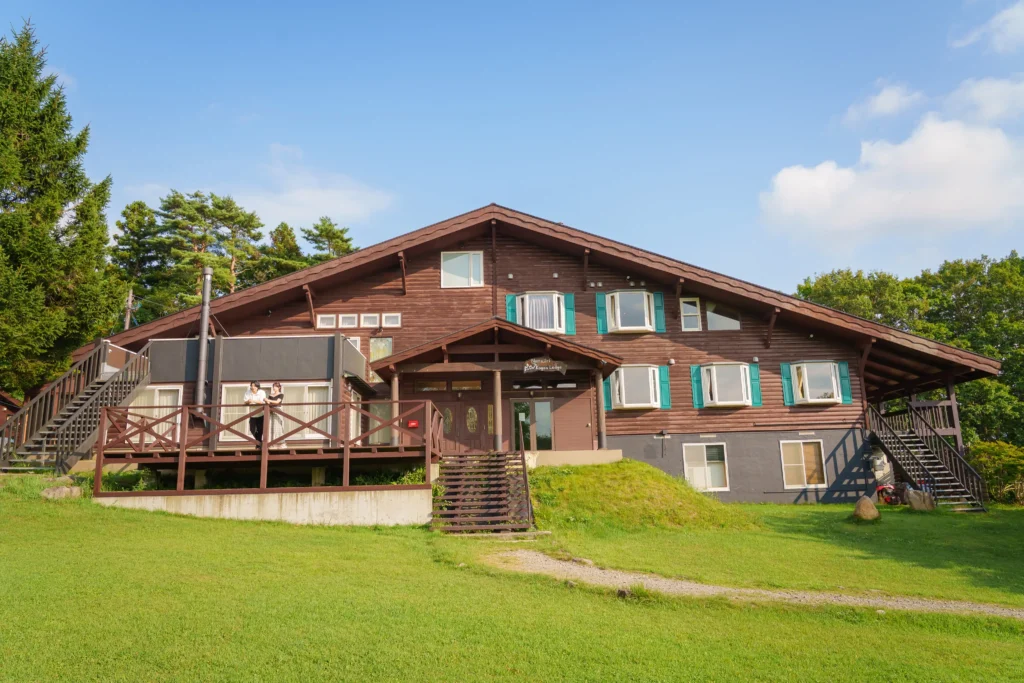
Day 2 takes us about 40 minutes by car from the Aizuwakamatsu area.
We spend the day on the Numajiri Plateau, stretching south of Lake Inawashiro, combining activities that let us experience nature with our whole bodies with a stay at a lodge enveloped in tranquility.
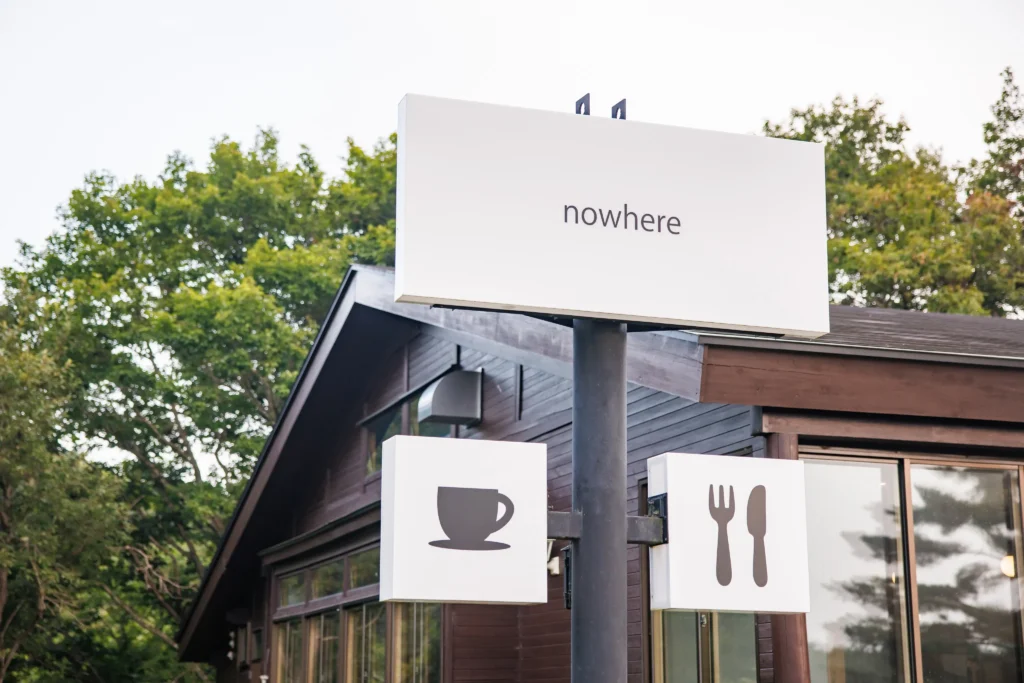
Departing from Tsuruga’s Higashiyama Head Temple shuttle, we race through mountain roads until a vast, open plateau suddenly appears beyond the forest. This is today’s lodging: Numajiri Kogen Lodge. Before check-in, we head to the adjacent activity hub “Nowhere” for the trip’s highlight: the “Extreme Onsen.”
Extreme Onsen — An experience of walking through nature and immersing yourself
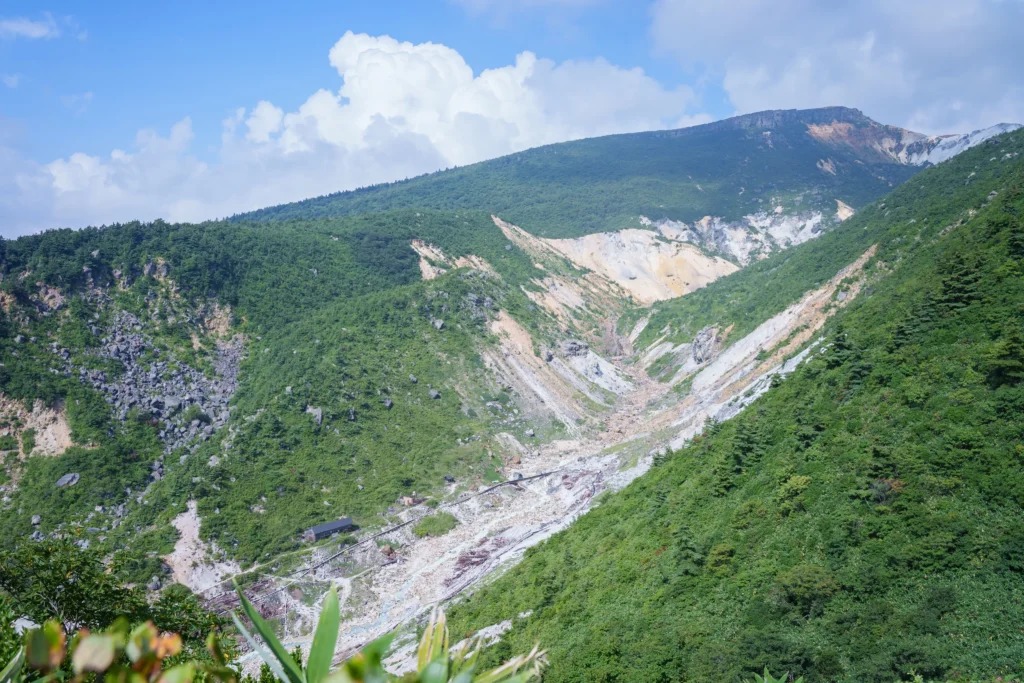
“Extreme Onsen” is a special activity combining a trek to the secluded hot spring, Numajiri Motoyu, nestled in the mountains at an elevation of 1,300 meters, with bathing in its wild hot spring. Accompanied by a guide and limited to two groups per day, it is truly an “experience found only here.”
The author visited twice, in late August and early November.
While summer’s deep green stimulates a sense of adventure, autumn’s Numajiri presents an entirely different look.
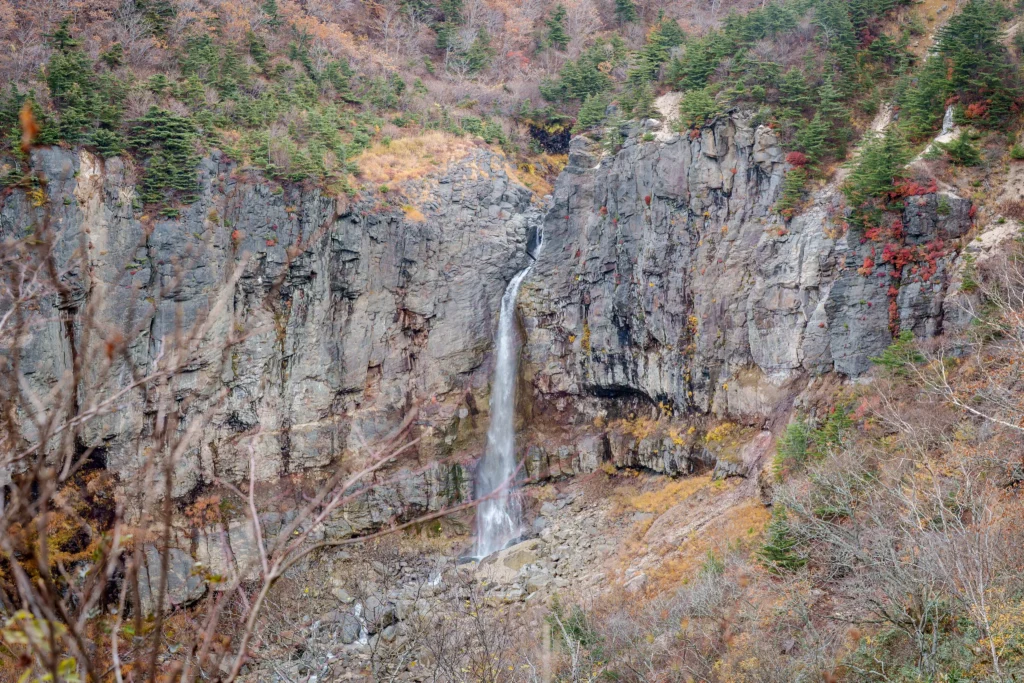
Mountain slopes dyed orange and deep red, the scent of fallen leaves, the air slightly chilly. With each step, a somewhat sentimental atmosphere lingers, as if the end of the season is quietly approaching. Autumn temperatures hover around 10 to 12°C. As the elevation rises, it feels even colder, and in windy spots, it felt like around 8°C.
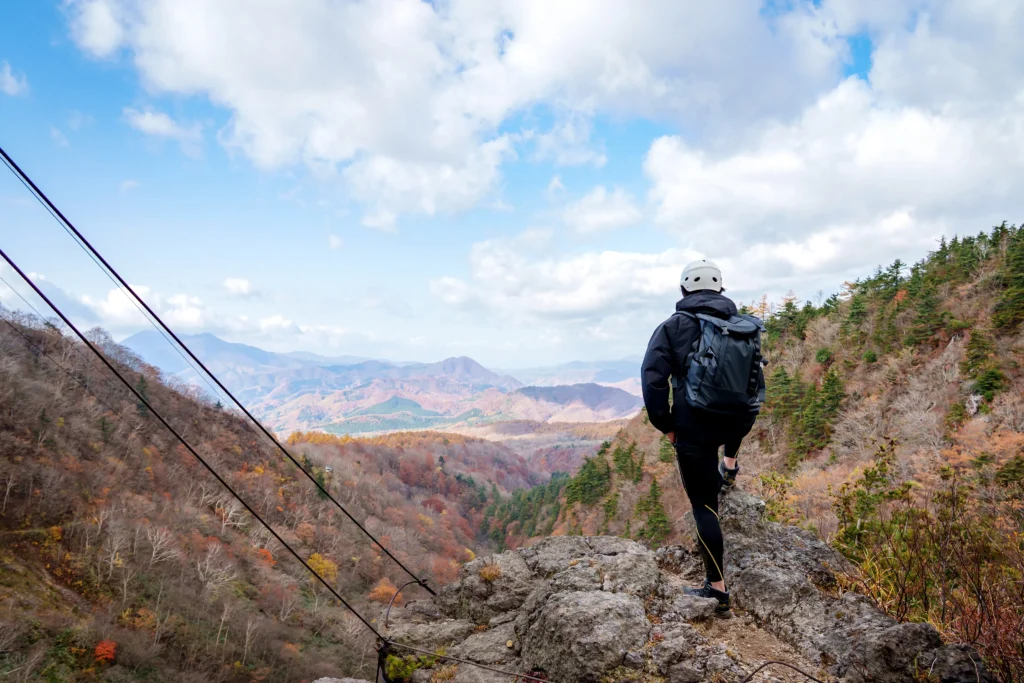
The author tackled the hike wearing a windbreaker jacket, long-sleeved base layer, short-sleeved T-shirt, spats, and shorts. While walking, the body warms up, but stopping causes a sudden chill. Especially near the summit, the wind is cold, sothin gloves or hand warmers make for a more comfortable experience.
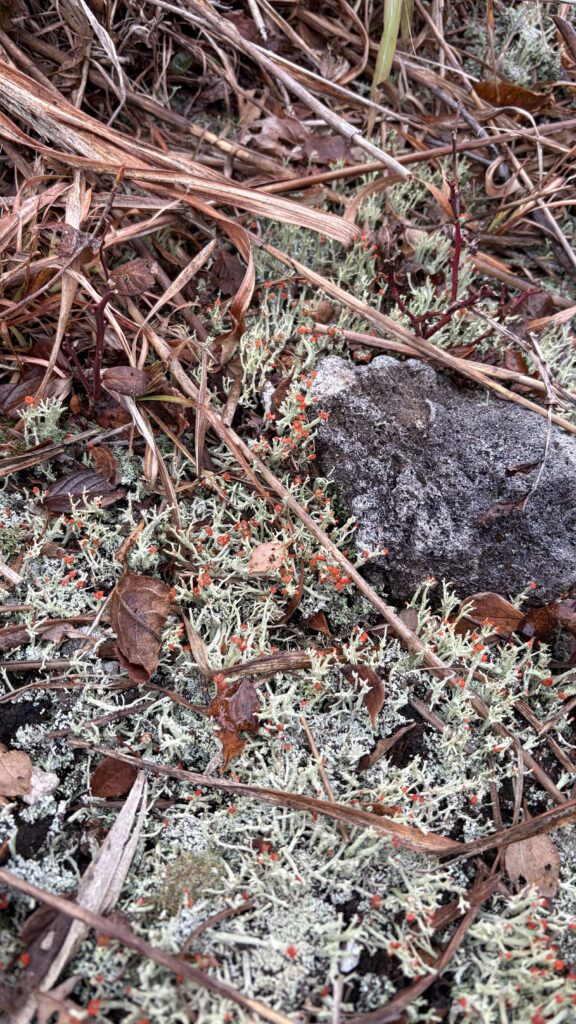
The guide kindly explains various things along the way, such as seasonal scenery, plants, and the geography. For example, when a female guide accompanied us, she pointed out a small flower called “Monroe’s Lips” during the hike. It’s a rare wildflower named for resembling Marilyn Monroe’s lips—a small discovery you’d miss without a guide.
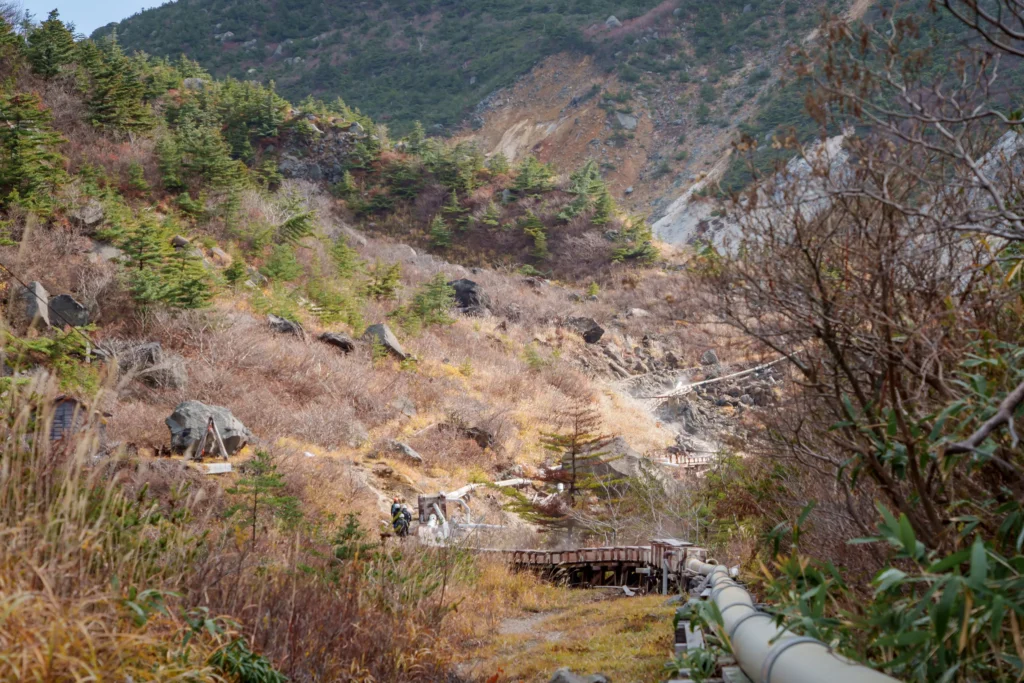
After walking about 30 minutes from the starting point, a faint sulfur smell begins to drift through the air. As the valley opens up and you reach your destination, a vast expanse of nature unfolds, several times larger than imagined. Hot springs flow like a river across the valley floor, and the nearby hot spring outlet reaches nearly 60 degrees Celsius. The relentless flow of hot water seems as if the earth itself is bubbling up.
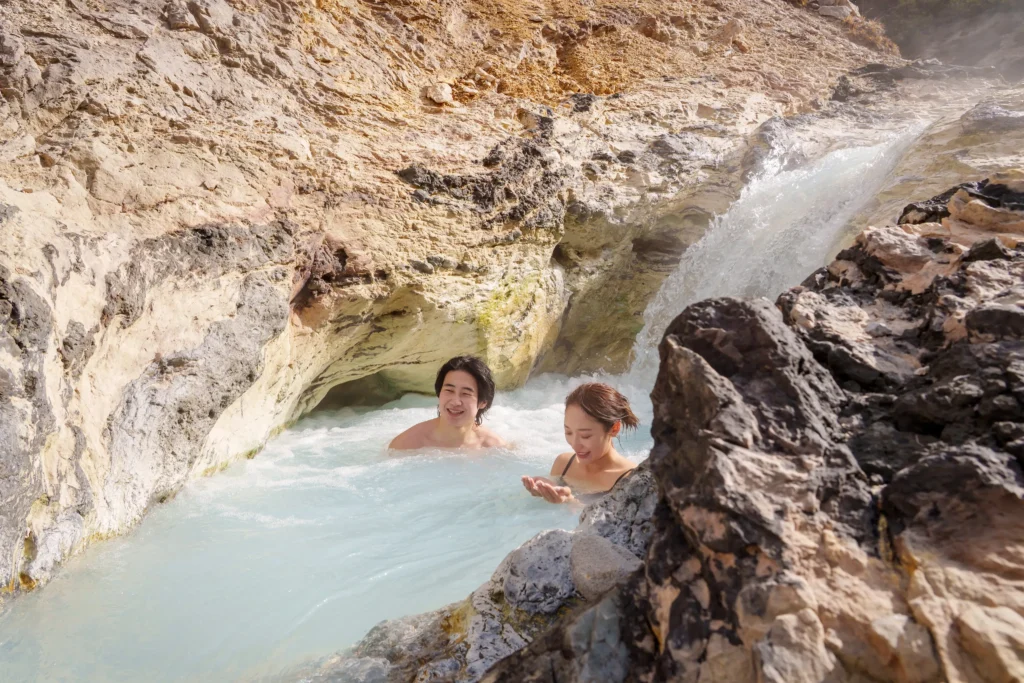
In autumn, the outside temperature drops significantly, causing the water temperature at the source to become slightly cooler.
You might think hot springs feel better in colder seasons, but once you actually soak in one, that notion is quickly overturned. While soaking feels pleasant, the moment you stand up, the mountain’s cold air mercilessly chills your body, rapidly draining your body heat.
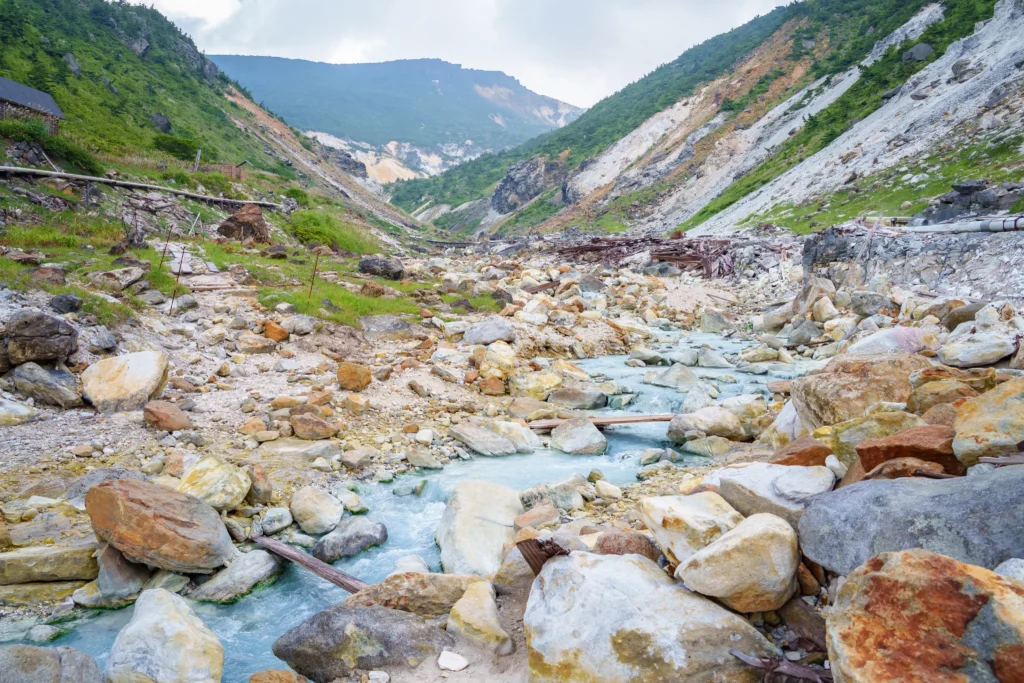
On the other hand, when I visited in summer, it was completely different.
Walking along the path, enveloped by the lush green mountains, the temperature was warm enough to make you sweat. However, the moment I arrived at the original hot spring and submerged myself in the water, it felt wonderfully soothing, as if it were melting away the heat from my body. The breeze after bathing was refreshing too, and the mountain environment provided a natural cool-down.
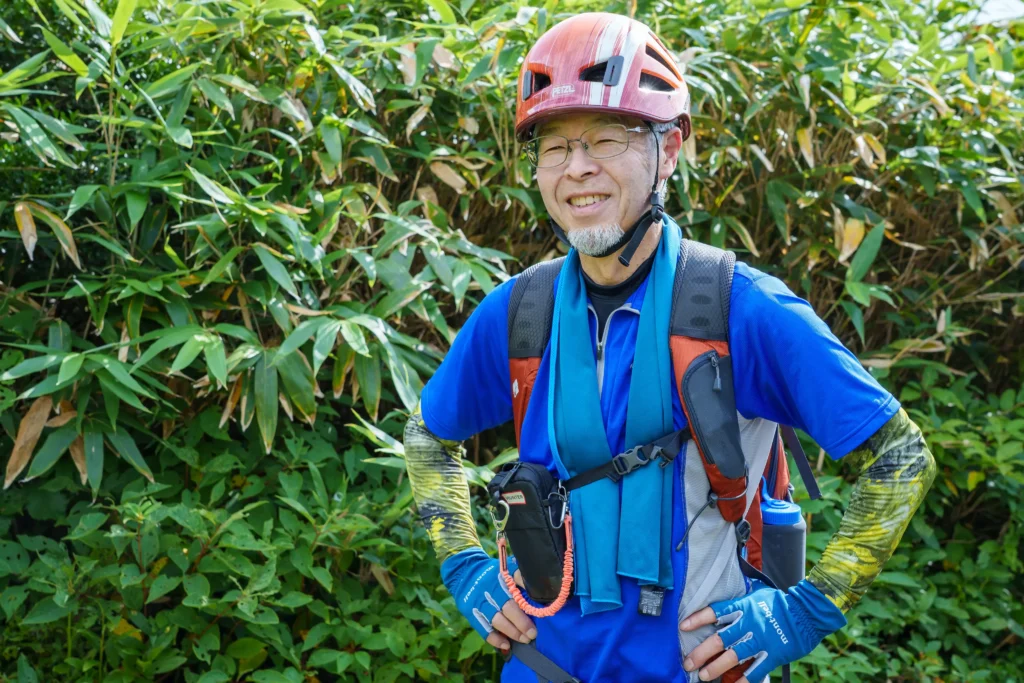
The guide’s words, “July to September is the best season for bathing,” finally made sense to me after experiencing both summer and autumn.
As you sink into the hot spring waters and gaze upon the majestic valley scenery, you’ll feel enveloped by a sensation of melting into the natural surroundings. It’s a special place where the same original hot spring offers completely different experiences depending on the season.
And if you’re lucky, you might even be guided to the cave beneath the cliff along the main route. Along the path through the valley where hot springs flow, there’s a steep slope like a cliff face, and beneath it, the cave entrance suddenly appears. Looking down feels a bit scary, but once you start descending, it’s surprisingly easy. Light streams into the dim cave, and the sight of hot springs flowing beneath it feels like another world.
Note: Access may be restricted during dangerous seasons.
Details and experience reports on Extreme Hot Springs → Here
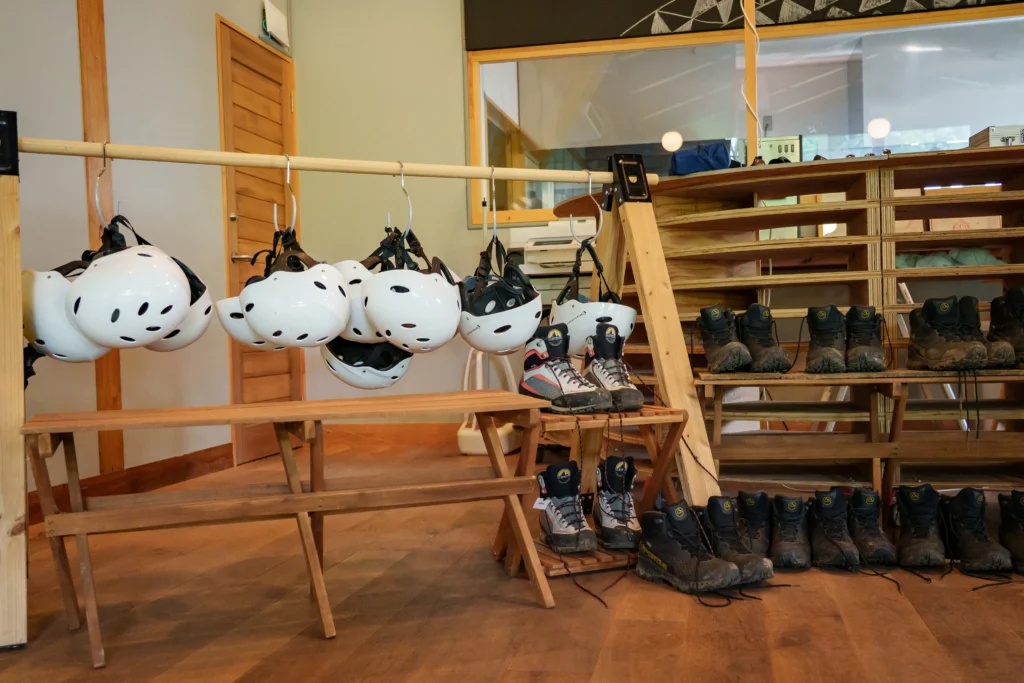
On the way back, I enjoyed the view of the magnificent mountain range, returning toNowhere with a pleasant sense of fatigue.There, I could savorNowhere Curry, which soaked into my tired body. The combination of tender beef and brown rice was exquisite, with the savory flavor of the spices gently spreading. The cold outside air combined with the fatigue from exercise made this dish taste surprisingly delicious.
Numajiri Kogen Lodge — A Quiet Stay in Harmony with the Forest
Details & Experience Reports Here → Here
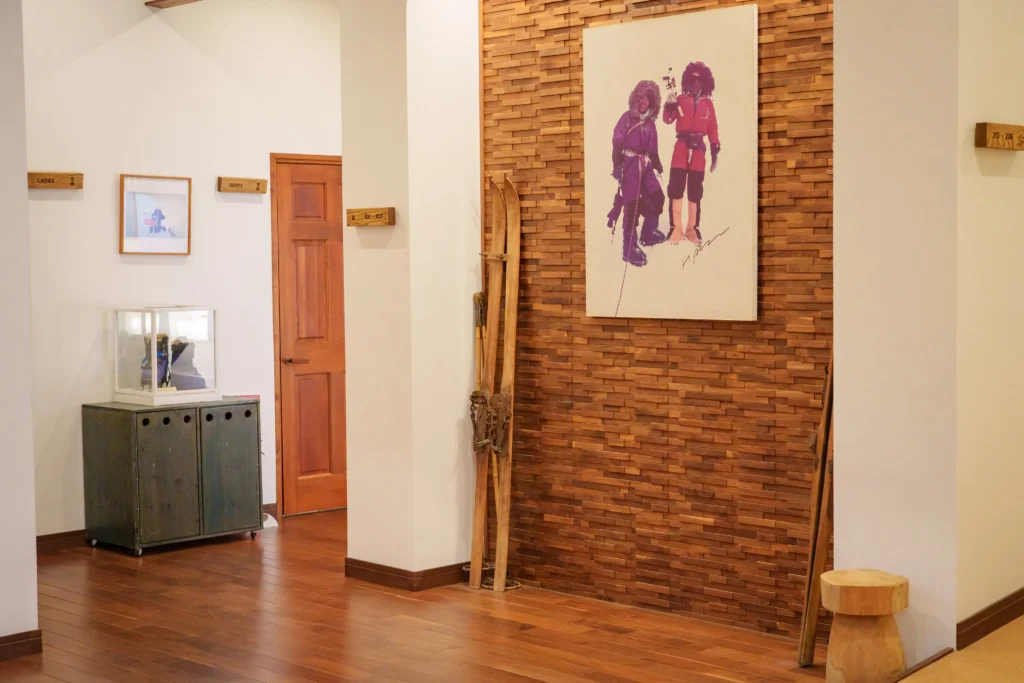
Numajiri Kogen Lodge is a quiet retreat nestled close to nature.
It is a special place, based on a villa once cherished by female mountaineer and Everest summiteer Junko Tabei, and inherited and renovated by a long-established inn.
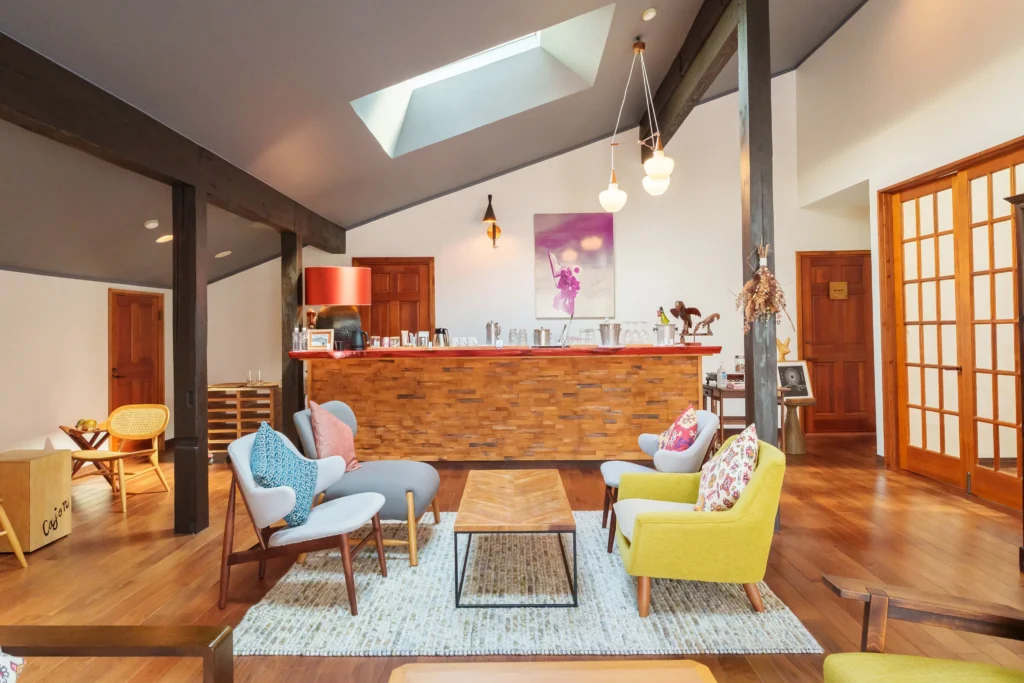
The lounge, enveloped in the warmth of wood, offers complimentary coffee, wine, and local sweets, allowing guests to relax while gazing out over the highlands. Guest rooms feature a tranquil space blending modern design with natural materials. Outside the large windows, autumn leaves sway, creating a feeling of being embraced by the forest.
Dinner — A Seasonal Tohoku-Style Japanese Course
Dinner at Numajiri Kogen Lodge is a Japanese course menu that changes with the seasons, emphasizing seasonal ingredients.
Ingredients are primarily sourced from Fukushima, Aizu, and the wider Tohoku region, characterized by a distinctive “rustic simplicity” and “depth” that reflects the land. From this season’s menu, we’d like to highlight four particularly memorable dishes.
Hishi Tea Medicinal Soup
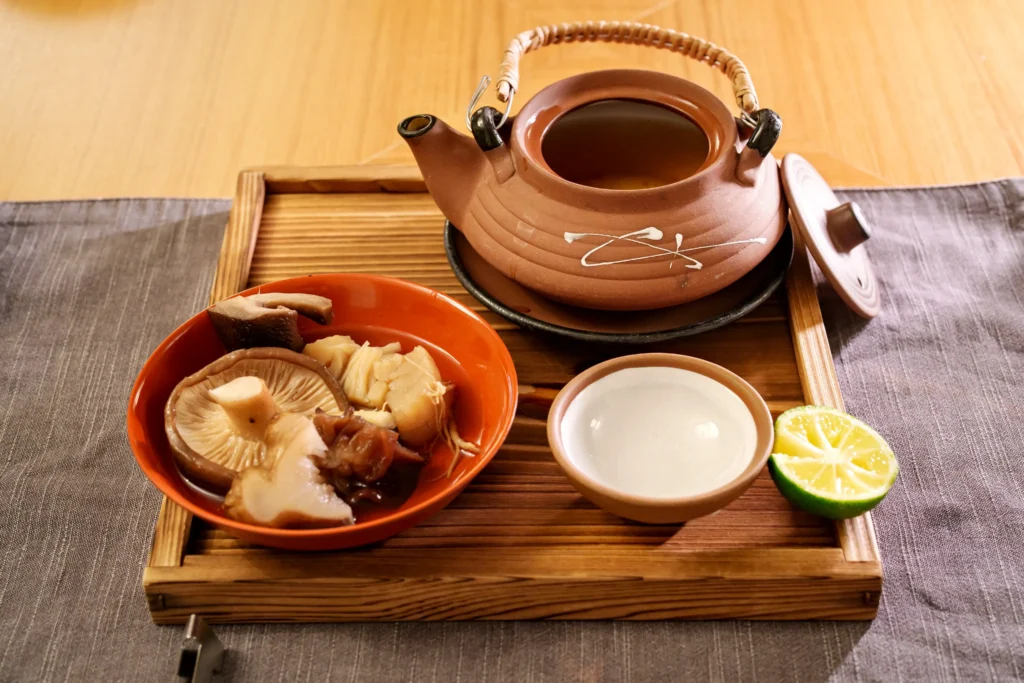
The first warm bowl served. This medicinal soup features roasted water chestnut tea made from Inawashiro Lake’s “water chestnuts,” along with abundant local ingredients like maitake mushrooms, wood ear mushrooms, and Aizu carrots. Its aroma is gentle, and a mild umami flavor spreads softly upon tasting. This dish warms the stomach and prepares the body for the “time of eating,” making it a fitting start to the course.
Tuna Sashimi
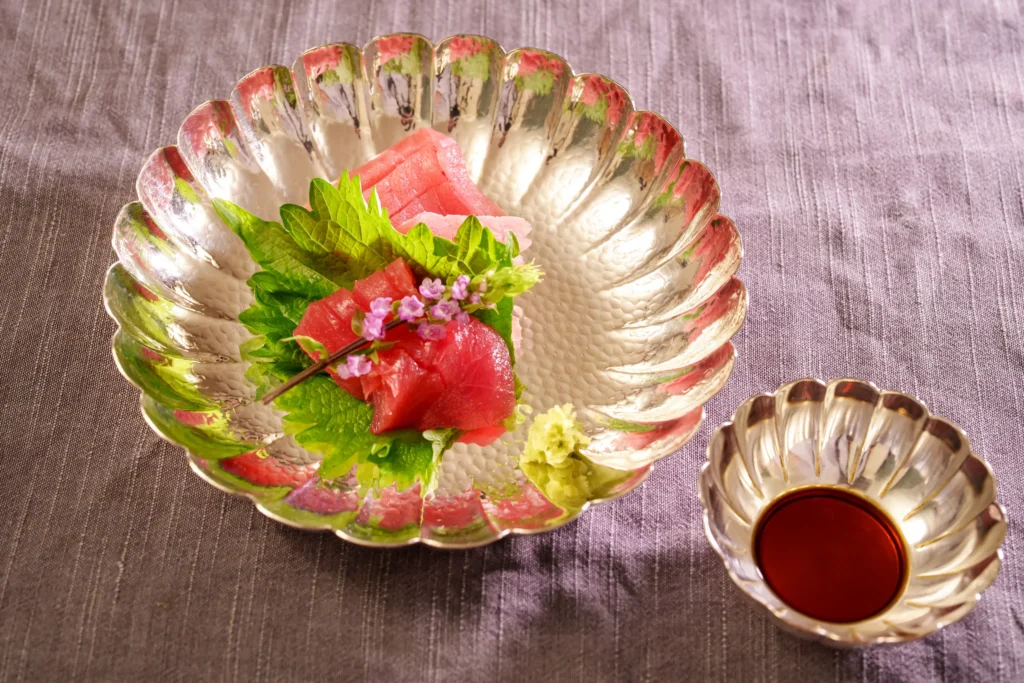
Seafood from Tohoku is characterized by its rich umami flavor. The tuna is served freshly sliced, without excessive seasoning, allowing the natural sweetness and clean aroma of the ingredient to shine through. Light soy sauce is provided on the side, carefully selected to further enhance the ocean’s savory essence.
Shirako Dishes
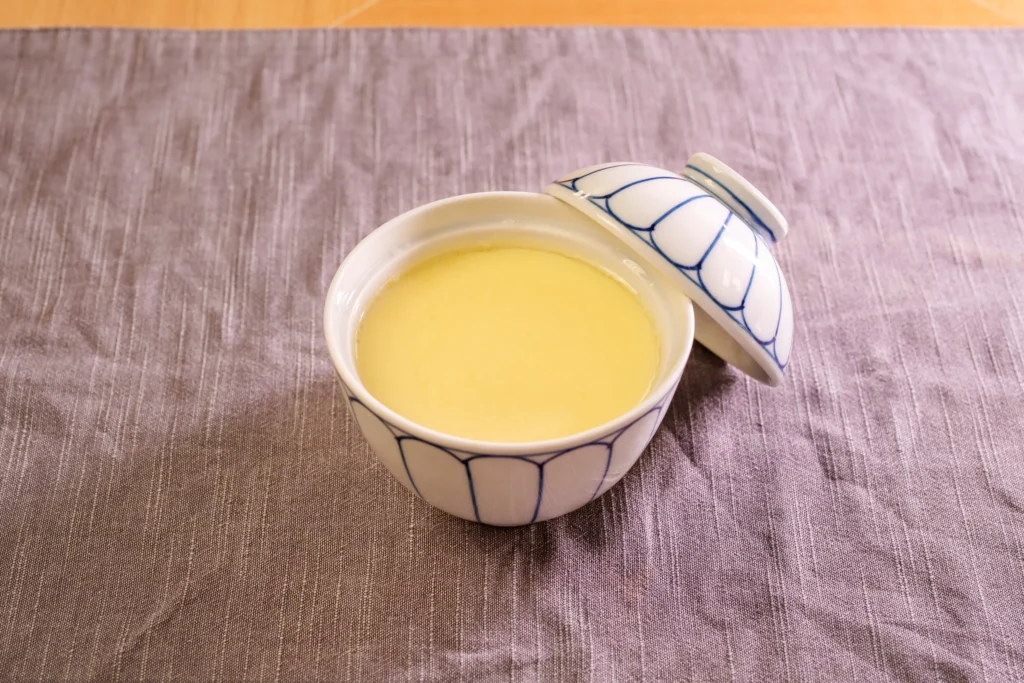
Shirako often surprises visitors from abroad. Shirako refers to the male reproductive glands of fish—specifically, the testes—and is treated as a premium ingredient in Japanese cuisine. But the shirako served here is exceptional. It has absolutely no unpleasant odor, offering a rich, creamy texture that melts in your mouth. Its mild flavor makes it approachable even for first-time eaters, so we encourage you to give it a try.
Braised and Grilled Beef Stew
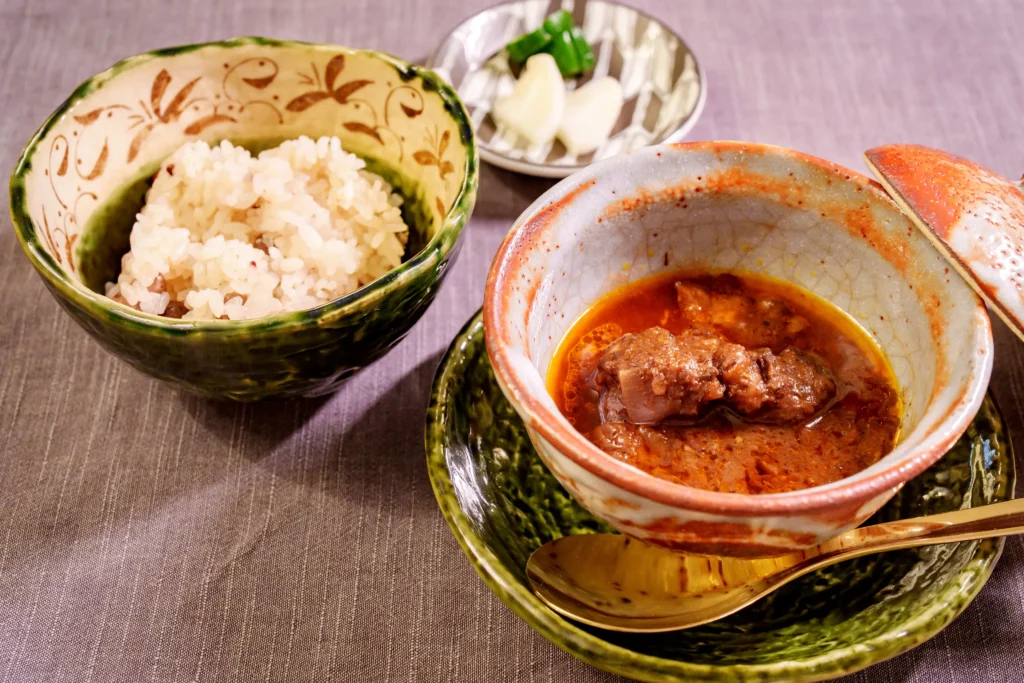
A Western dish appearing as a solitary highlight within a Japanese kaiseki course. Fukushima beef is slowly braised then grilled, resulting in a crispy exterior and astonishingly tender interior. Combined with the sweetness of local vegetables, it creates a deeply satisfying flavor that warms the heart.
Each dish impresses with its thoughtful approach—not seeking novelty, but understanding and highlighting the ingredients.
The sequence of dishes, possible only because of that day, that season, and that land, creates a time to feel the richness of the region through food.
Hot Spring — A Bath Connected Directly to Numajiri Motoyu, Soaking in the Highland Breeze
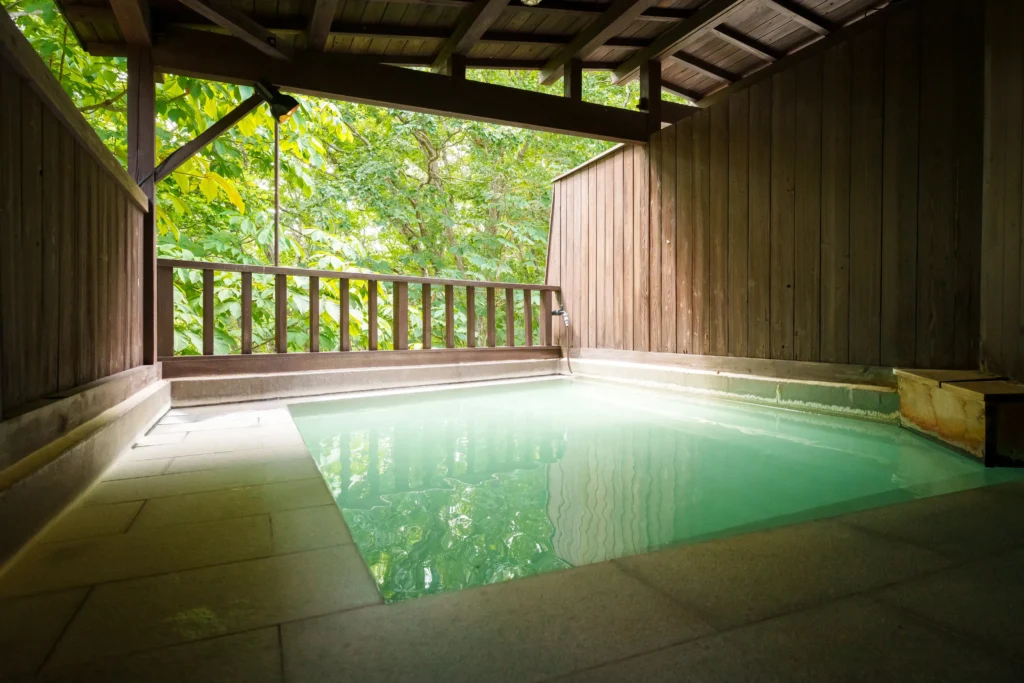
The hot springs within the facility are sourced directly from Numajiri Motoyu, flowing freely from the source. The strongly acidic sulfur spring tightens the skin, leaving it surprisingly smooth after bathing. At night, the open-air bath offers a view of the starry sky, with only the sounds of insects and the wind echoing. Here, you can experience “a time to connect with nature.”
Evening — Time by the Fire and Under the Stars
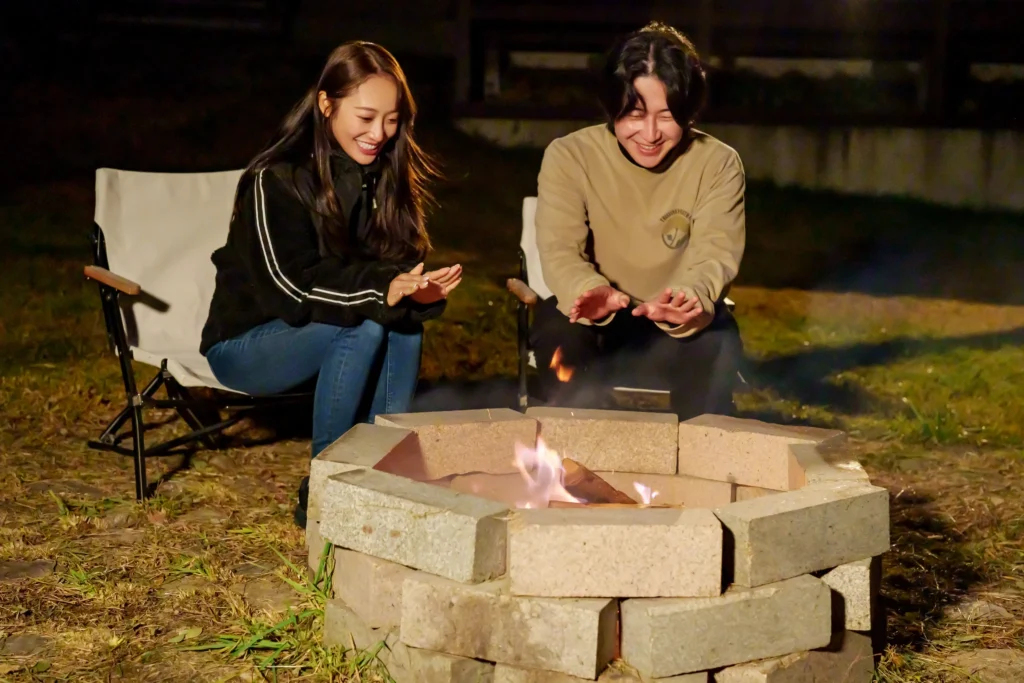
In the lodge’s garden, you can build a bonfire at night. On the high plateau without streetlights, only the flames illuminate the night, and when you look up, you see a sky full of stars. The sound of the flames, the cold air, the silence of the distant mountains. It’s a richly rewarding way to conclude the second day of the journey.
The second day in Numajiri is one where “stillness” and “adventure” connect as a single journey. While it has a completely different character from the first day in Aizu, it becomes a day that adds depth to the story of the entire trip. You will likely realize anew that spending time in nature allows you to center your mind.
Day 3: To the Skies of Numajiri──The “Extreme Flight” that concludes the journey
After a quiet morning at Numajiri Kogen Lodge, we head to a special activity to conclude our 2-night, 3-day Aizu model course: the “Extreme Flight (Helicopter Cruising)”.
The grassy field right next to Numajiri Kogen Lodge, in front of the activity base “Nowhere,” served as the takeoff and landing spot for the day. The flight lasted about 10 minutes. It offered the luxurious experience of taking in breathtaking views representing Aizu from the sky, including Lake Inawashiro, Mount Bandai, and Goshikinuma (Witch’s Eye).
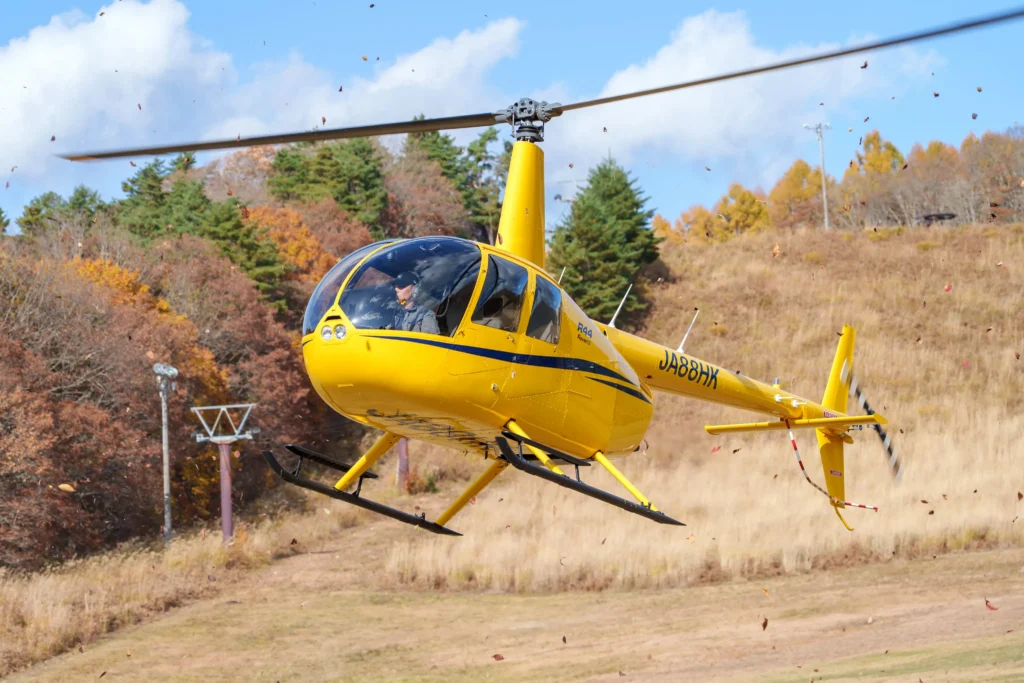
Waiting on the grassland in front of the lodge, the sound of a helicopter approaches from afar. Seeing a helicopter up close is more impressive than I ever imagined. The wind whipped up by the rotor blades, the vibrations felt right beside me. The sheer size of the aircraft, something you rarely see, takes your breath away.
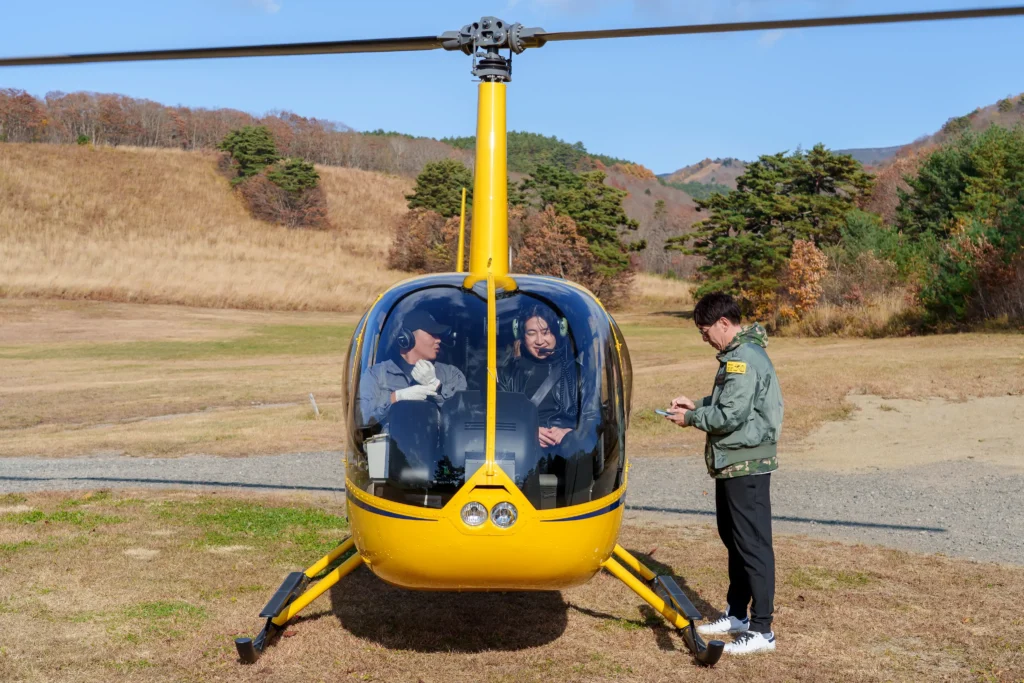
Putting on the headset, I boarded. Slowly rising, the aircraft glided smoothly at an angle, and suddenly the view opened up, the vast land of Numajiri spreading out below.
Immediately after takeoff, the first thing that catches your eye is the overwhelming gradation of the autumn highlands. The area around the lodge is enveloped in orange autumn leaves, but just a little further on, forests still holding onto their green appear. Proceeding further, the landscape shifts again to reveal mountain ranges with yet another distinct character.“The scenery changes in just a few seconds.”This dynamism can only be experienced from the air.
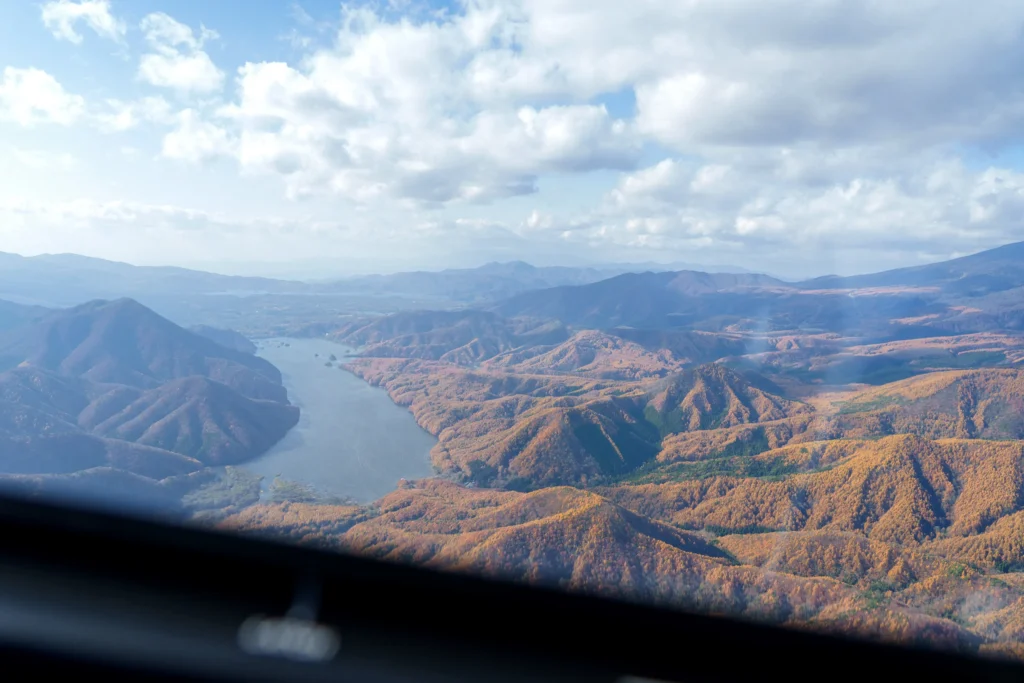
As altitude increases, Lake Inawashiro slowly emerges from the depths of the view. Mountains, lakes, and the towns where people live at their base. The sheer scale of Fukushima, impossible to grasp from the ground, washes over you all at once, its overwhelming power leaving you speechless.
The pilot provides commentary on the scenery as you fly. English is also available, so foreign visitors can participate with confidence.
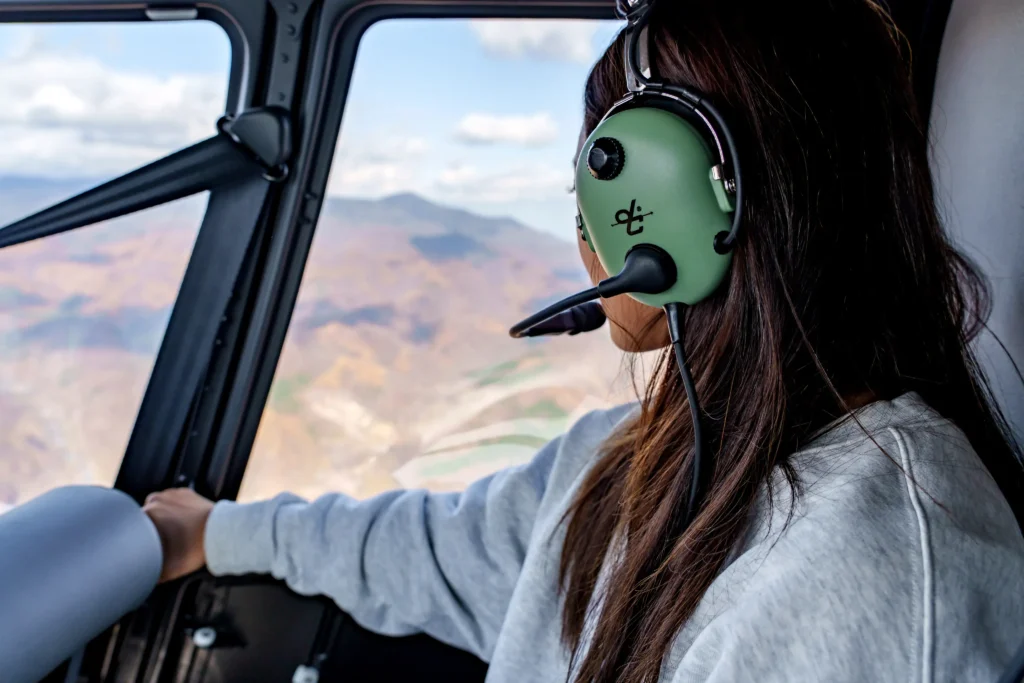
The route varies slightly by season, but during the flight you can see the following spots from above. (April–November)
- Lake Inawashiro
- Mount Bandai
- The Mountains of Urabandai
- Goshikinuma (Witch’s Eyes)
- The Ridge of Mount Adatara
In autumn, the mountains are dyed in a gradient of red, orange, and yellow. Spring offers a beautiful contrast between lingering snow and fresh greenery.Summer showcases vibrant greenery bursting with dynamic vitality.
With advance arrangements, you can fly directly back to Tokyo’s Shin-Kiba in about two hours.
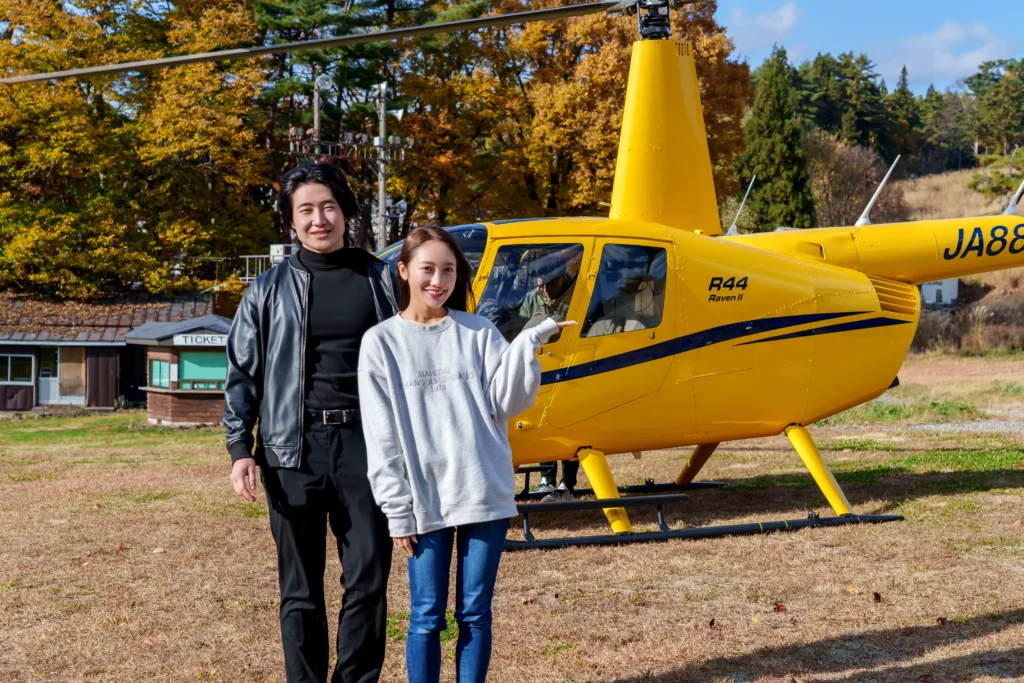
Nature, culture, cuisine, and encounters with people. What you feel throughout this 2-night, 3-day journey is that Aizu possesses a profound stillness that underpins “high-quality experiences.”
The one-of-a-kind hospitality experienced at Tsuruga. Extreme hot springs where you immerse your entire body in nature’s power. And the overwhelming expanse of Fukushima’s land viewed from the sky.
Each moment transcends mere sightseeing, gently realigning your everyday senses. A little luxurious, yet unpretentious. We hope this journey through Aizu becomes a catalyst for your next new step.