During the late Edo period, Japan was in a time of major change as the Tokugawa shogunate was losing power and a new government was rising. The Boshin War broke out between forces loyal to the shogunate and the new Meiji government. The Aizu Domain sided with the shogunate and organized the Byakkotai, a unit mainly composed of teenage boys, to help defend their land. Many of these young soldiers tragically took their own lives at Iimori Hill during the desperate final battles.
Byakkotai was a group of young soldiers formed to protect the Aizu Domain during Japan’s late Edo period. They fought bravely in a losing battle, and many tragically took their own lives at Iimori Hill. Today in Aizu-Wakamatsu, visitors can follow their footsteps at historical sites like Tsuruga Castle and Byakkotai Museum, experiencing the courage, loyalty, and human stories of these boys even without prior knowledge of Japanese history.
Historical Background of Aizu-Wakamatsu and the Byakkotai
Aizu-Wakamatsu was an important historical stage during Japan’s late Edo period. The Aizu Domain sided with the shogunate and fought to uphold their loyalty against rising forces such as the Satsuma and Choshu domains. During this time, young members of the domain formed the Byakkotai. Tsuruga Castle, a symbol of Aizu-Wakamatsu, served as the key defensive stronghold, playing a crucial role as the battles grew more desperate. The story of the Byakkotai unfolds against this historical backdrop, and their courage and tragedy are still remembered today.
Japan in the Late Edo Period and the Position of the Aizu Domain
During the late Edo period, Japan faced a time of great change and internal turmoil, influenced by both foreign pressure and domestic conflicts. The Aizu Domain remained loyal to the shogunate, striving to protect its survival as tensions with anti-shogunate forces grew.
In the Boshin War, Aizu played a crucial role, using its strategic location and military strength as part of the shogunate’s defensive line. Within the domain, there was also debate over whether to embrace the new era or uphold traditional ways. Amid this uncertainty, young soldiers were mobilized, leading to the formation of special units like the Byakkotai.
The position of Aizu was extremely precarious, with complex relationships with surrounding domains. Its warriors fought with loyalty and courage, yet faced an uncertain future—setting the stage for the tragic story of the Byakkotai.

Amid the sweeping changes of the era, the Aizu Domain upheld the pride and honor of the samurai.
Historical Role of Tsuruga Castle
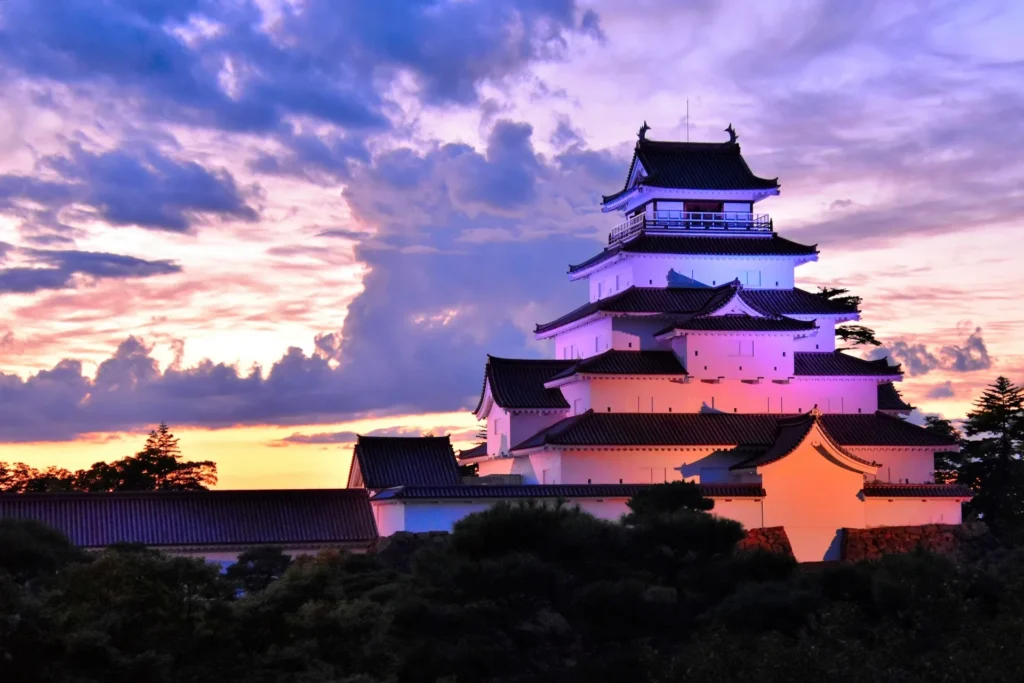
Tsuruga Castle, a symbol of Aizu-Wakamatsu, was a key stronghold for the Aizu Domain during the late Edo period. Originally built during the Sengoku period, it was extensively renovated by Matsudaira family during the Edo era, taking on a form close to what we see today. During the Boshin War, it served as the central stronghold of Aizu’s defense, where samurai—including members of the Byakkotai—fought bravely to protect the castle.
During the Boshin War, the castle served as the central point of Aizu’s defense. Samurai, including members of the Byakkotai, fought to protect it. Its solid structure and strategic location made it an effective fortress, with living quarters, armories, and command centers inside to support swift military responses. Moats and earthen walls surrounded the castle, forming defensive lines against enemy attacks.
Amid the fierce battles of the Boshin War, Tsuruga Castle became a symbol of the Aizu Domain’s pride and loyalty. The teenage soldiers of the Byakkotai devoted themselves to its defense, and their bravery is still remembered today.
Behind its sturdy walls lies the enduring history of courage and devotion of the Aizu samurai.
Matsudaira Katamori and the Aizu Domain
Matsudaira Katamori, the ninth lord of the Aizu Domain, led his domain during the turbulent final years of the Edo period. Facing severe political challenges, he valued the loyalty of his samurai and devoted himself to the defense of the domain.
During the Boshin War, as Aizu confronted the forces of the new Meiji government, Katamori inspired his warriors and set an example of steadfast leadership. His guidance boosted the morale of the domain and nurtured the loyalty of young soldiers, including the members of the Byakkotai.
Katamori’s leadership is deeply remembered in the history of Aizu, and understanding his decisions helps explain how the tragic fate of the Byakkotai came to unfold.
The Character of Katamori Matsudaira
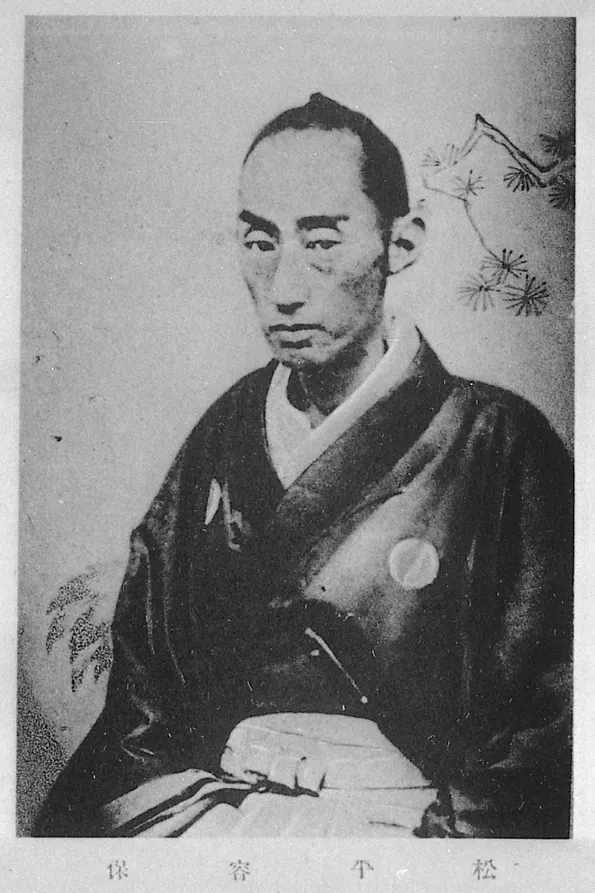
Matsudaira Katamori played a pivotal role as the ninth lord of the Aizu Domain during the turbulent Bakumatsu period. Born in 1835, he became involved in the domain’s politics and military affairs from a young age, demonstrating his leadership particularly during the war that threatened the domain’s very existence. Katamori was characterized by his deep trust in the domain’s samurai and his profound respect for their loyalty.
His political stance aimed to balance loyalty to the shogunate with preserving the domain’s independence. During the Boshin War, he devoted all efforts to defending Aizu, instilling this spirit even in the young boys of the Byakkotai. Yōsuke maintained composure amid worsening battle conditions, continually inspiring his samurai.
He also prioritized culture and education, dedicating himself to nurturing the next generation through the domain school, Nisshinkan. His character earned the trust of the domain samurai and became a key factor in strengthening Aizu Domain’s unity. Katamori’s life forms a crucial chapter in Aizu Domain’s history, and his leadership was deeply intertwined with the tragedy of the Byakkotai.
His loyalty and anguish as he guided the Aizu domain during the Bakumatsu period remain deeply etched in history.
The Political and Military Situation of the Aizu Domain in the Bakumatsu Period
During the Bakumatsu period in Japan, the Aizu Domain played a significant role. In particular, the Aizu Domain pledged loyalty to the shogunate and took a stance opposing anti-shogunate forces such as the Satsuma and Chōshū domains. During this time, while striving for political stability within the domain, the Aizu Domain also worked to strengthen its military power to counter external pressures.
Matsudaira Katamori, the feudal lord of the Aizu Domain, devoted himself to organizing the domain’s defense system in accordance with the shogunate’s orders. He instilled a spirit of loyalty among the samurai and implemented measures to boost the morale of the warrior class. Within the domain, the education and training of the samurai were prioritized, with particular emphasis on fostering a sense of samurai consciousness among the younger generation.
However, the turmoil of the end of the Edo period proved a severe trial for the Aizu Domain. Amidst mounting external pressure, internal disagreements arose within the domain, leading to ongoing political turmoil. It was within this context that youth soldiers like the Byakkotai emerged, destined to fight for the domain. The political and military circumstances of the Aizu Domain formed a crucial backdrop shaping the tragic fate of the Byakkotai.
The Aizu Domain’s struggle to uphold loyalty is deeply intertwined with the tragedy of the Byakkotai.
What Is the Byakkotai?
The Byakkotai, or “White Tiger Corps,” was a group of young samurai who served the Aizu Domain during the turbulent final years of the Edo period. They are remembered today as symbols of loyalty, courage, and devotion. Formed from teenage warriors, the Byakkotai fought bravely to protect their homeland during the Boshin War (1868), a civil conflict between the shogunate and the new imperial government.
The Background of Their Formation
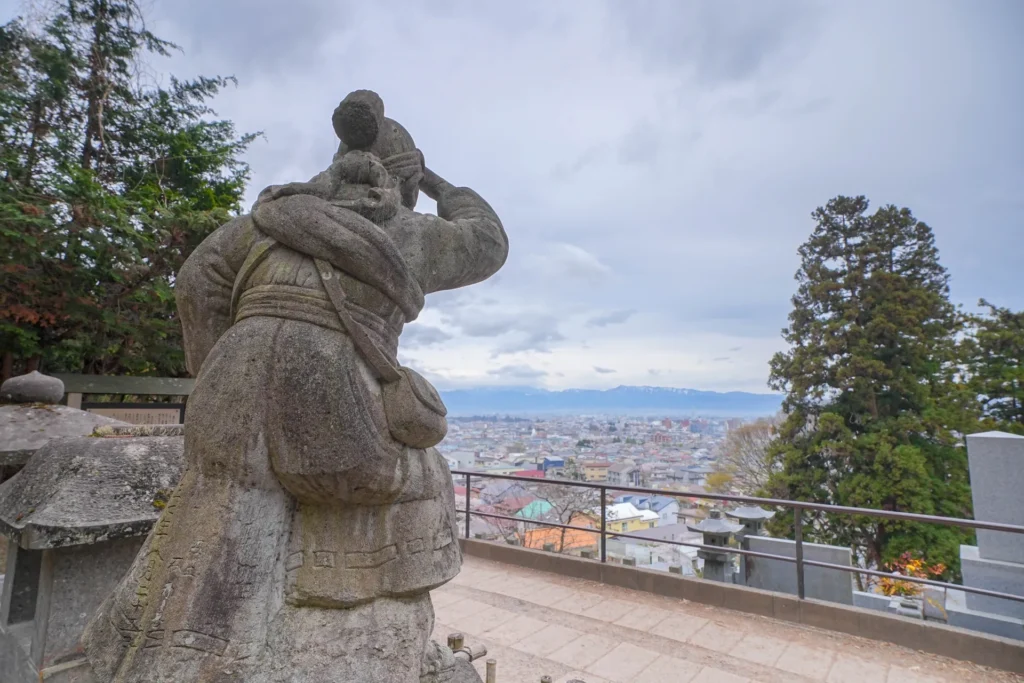
The creation of the Byakkotai was deeply tied to the chaos of the late Edo period and the unique position of the Aizu Domain. In 1868, as the Boshin War broke out, Aizu found itself in direct conflict with the newly formed imperial army. With many of the adult samurai already fighting on the front lines, young boys—mostly between the ages of 15 and 17—gathered and pledged to defend their families and their homeland.
At that time, Aizu was a domain steeped in samurai tradition and the code of Bushido—honor, loyalty, and self-sacrifice. These young warriors grew up with a deep sense of duty and pride, believing it their responsibility to protect their people even at the cost of their own lives. The formation of the Byakkotai was not just a military decision; it was a manifestation of the youths’ sincere determination and devotion to their domain.
Even as the war situation worsened, the presence of the Byakkotai served as a source of morale and inspiration for the people of Aizu. Their courage and loyalty became a powerful symbol of hope amid despair—a legacy that continues to move the hearts of many to this day.
The story of the Byakkotai’s birth is a historical tale born from a time of crisis and the unwavering resolve of young samurai.
Formation and Name of the Byakkotai
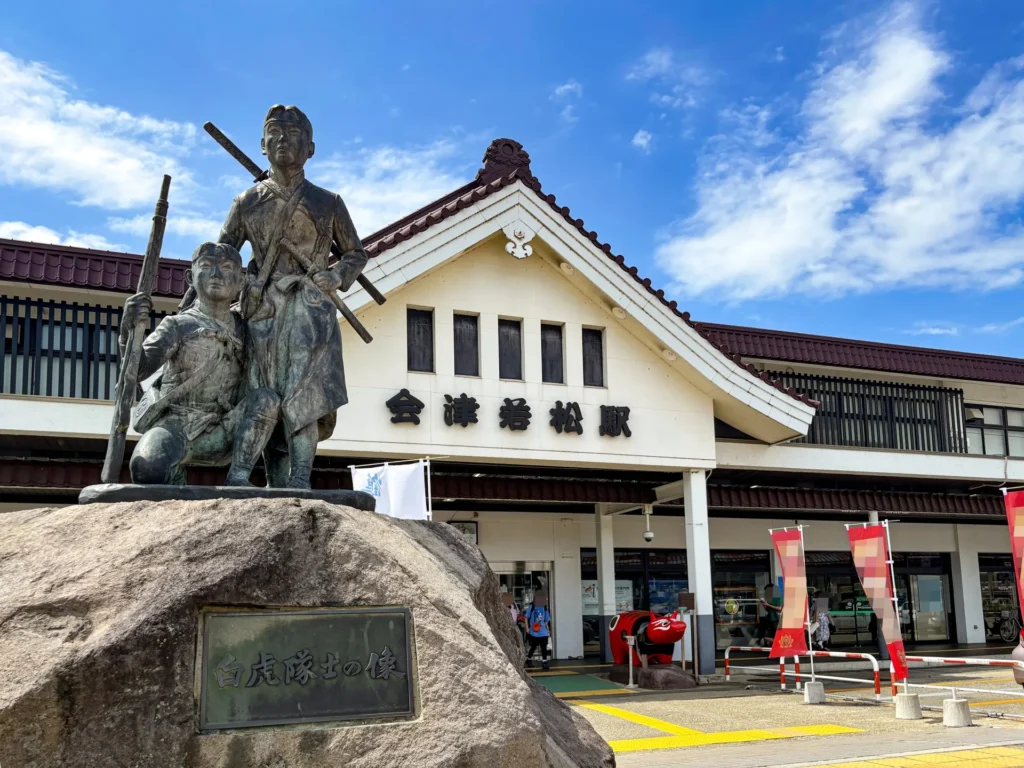
The Byakkotai, or White Tiger Corps, was a unit of young samurai formed by the Aizu Domain during the turbulent final years of the Edo period. Composed mainly of boys between the ages of 15 and 17, the corps embodied the spirit of youthful determination and loyalty to their lord. For these young warriors, fighting for Aizu was both a duty and an honor—they took pride in defending their homeland, even at the risk of their lives.
The name Byakkotai comes from the “White Tiger,” one of the Four Divine Beasts in Chinese mythology, which symbolizes courage, strength, and loyalty. The name was chosen to reflect the bravery and pure devotion these young soldiers showed on the battlefield as they sought to protect their home and uphold the samurai code of honor.
The Byakkotai was hastily organized as the war situation worsened, and its members were assigned to defend Aizu-Wakamatsu Castle and the surrounding area. They trained together under harsh conditions, supporting and encouraging one another as comrades who shared the same resolve. Their strong sense of unity became a source of strength in battle, and their courageous actions left a deep mark on the history of the Aizu Domain.Today, the story of the Byakkotai continues to be told as a poignant reminder of the pride, loyalty, and sacrifice of Aizu’s young warriors—a timeless testament to their courage and conviction.
The story of the Byakkotai stands as a testament to the pride and determination of the young samurai who shaped history through their unwavering spirit.
The Battle and Tragedy of the Byakkotai
The Byakkotai fought valiantly to defend the Aizu Domain during the Boshin War. Composed mainly of young soldiers, they participated in battles crucial to the domain’s survival. However, the situation grew increasingly dire, and Aizu Wakamatsu found itself besieged by enemy forces. Their suicide at Iimoriyama became a particularly symbolic event, embodying their tragic fate. The young men of the Byakkotai fought for their domain until the very end, their hearts filled with loyalty and courage. This tragedy remains an important story, passed down through generations to this day, conveying their bravery to future generations.
The Byakkotai in the Boshin War
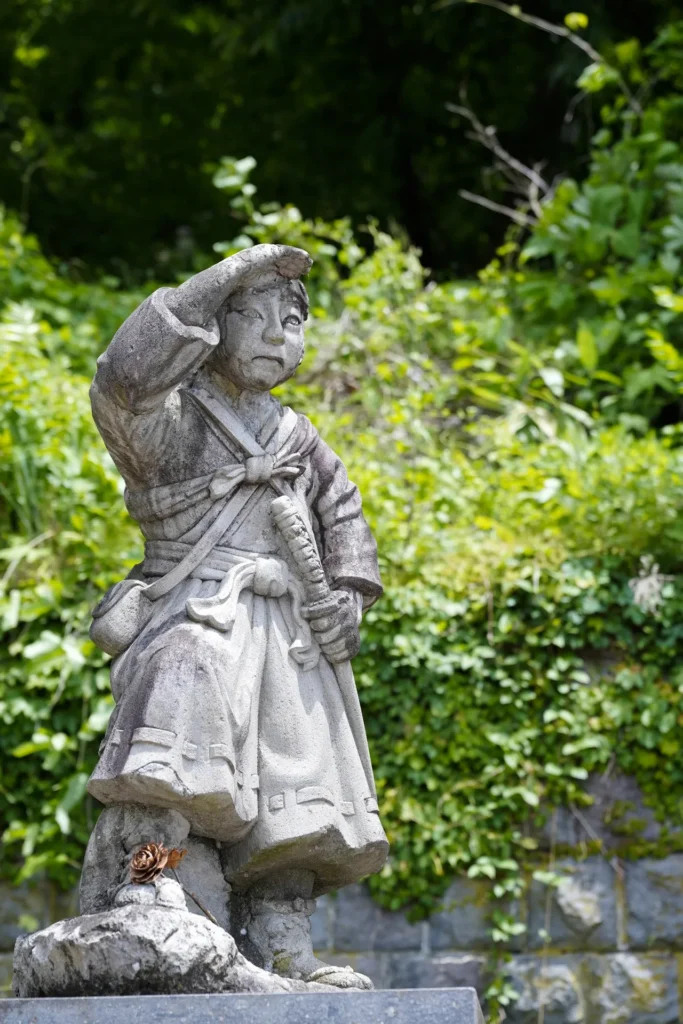
The Boshin War (1868–1869) was a civil conflict that marked the end of Japan’s feudal era and the beginning of the Meiji Restoration. The Aizu Domain became one of its central battlegrounds, standing firmly on the side of the shogunate. Amid this turmoil, the Byakkotai, or White Tiger Corps, was formed to defend the domain.
Composed of boys just 15 to 17 years old, the Byakkotai embodied unwavering loyalty and courage. Despite their youth, they faced the brutal realities of war head-on, fighting with the conviction that they were protecting their families, their homeland, and their honor as samurai.
During the Battle of Aizu, the Byakkotai took part in several intense engagements. They bravely defended Aizu-Wakamatsu Castle, standing on the front lines and exchanging gunfire with enemy troops. Their determination and discipline allowed them to achieve remarkable feats despite overwhelming odds. However, as the conflict dragged on, the situation turned dire—the Aizu forces became isolated, surrounded, and exhausted.
The Byakkotai’s actions during the Boshin War came to symbolize the spirit of devotion, bravery, and tragic sacrifice.
Their struggle continues to be passed down through generations, forever engraved in the proud history of Aizu-Wakamatsu.
The Suicide at Iimoriyama and Its Reason
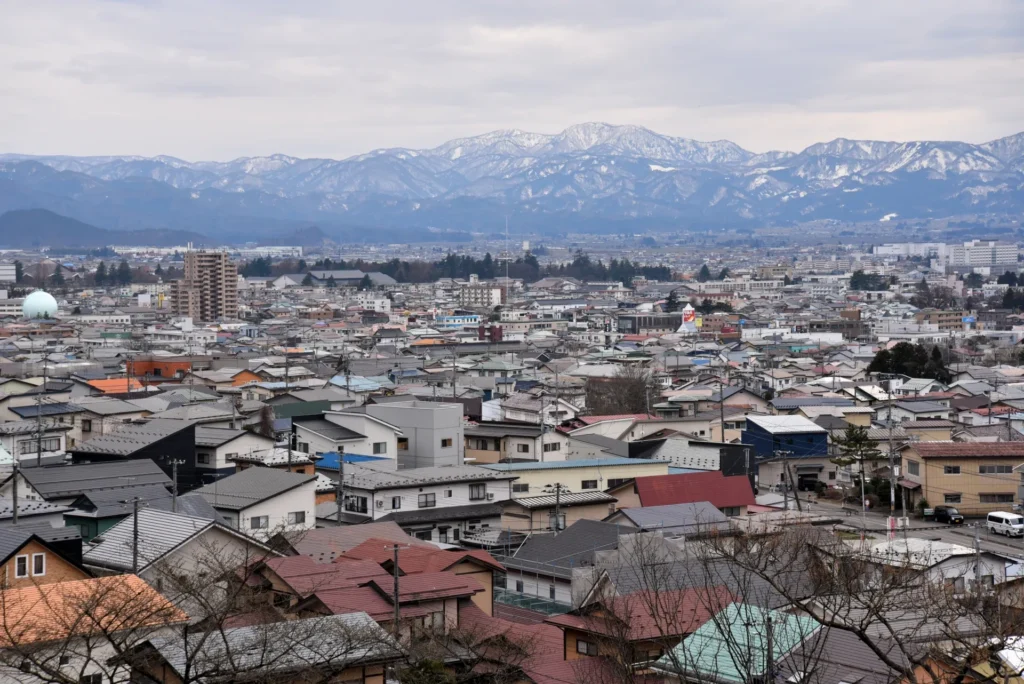
Iimoriyama, where the tragic suicide of the Byakkotai took place, is known as a symbolic location in Aizu Wakamatsu. As the Boshin War intensified, the Aizu Domain faced a crisis of survival. The young soldiers of the Byakkotai swore to fight for the domain and chose to fulfill their loyalty, but the situation on the battlefield grew increasingly dire.
During the Aizu War of 1868, a group of about 20 members of the White Tiger Corps retreated to Mount Iimori. Misled into believing “the castle had fallen,” they collectively committed suicide. In reality, the castle had not yet been captured, and this event is remembered as the “Tragedy of Mount Iimori.” They learned of the domain’s defeat and feared becoming prisoners or surrendering to the enemy. By taking their own lives, they chose the path of fulfilling their loyalty and preserving their honor. This act of suicide remains widely recounted today as an event symbolizing their courage and conviction.
From the summit of Mt. Iimori, the beautiful scenery of Aizu-Wakamatsu spreads out, yet behind it lies the poignant story of these young men. Their suicide was not merely a tragedy; it became an event symbolizing the spirit of the Aizu domain, exerting a profound influence on future generations. The courage and loyalty of the Byakkotai remain etched in the hearts of many people to this day.
The tragedy of Mount Iimori stands as a symbol, conveying the loyalty and courage of the Byakkotai to the present day.
The Courage of the Byakkotai and Its Lasting Impact
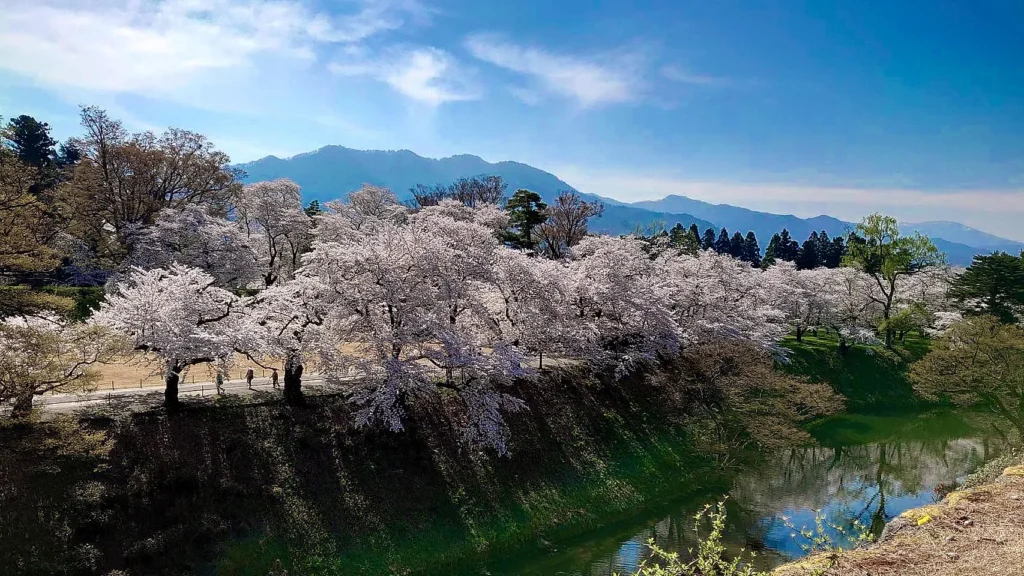
The Byakkotai are remembered as a symbol of courage displayed by young boys during the battle that determined the survival of the Aizu Domain. They were prepared to sacrifice their lives for their domain and embodied the spirit of loyalty through their valiant efforts on the battlefield. In particular, their suicide at Iimoriyama remains deeply etched in the hearts of many people today as a tragic event demonstrating their strong convictions and patriotism.
The courage of the Byakkotai transcended mere war tragedy, profoundly influencing subsequent generations. Their story, as a symbol of loyalty and bravery, has been featured in literature, film, and even educational settings, serving as a model for young people. Furthermore, the spirit of the Byakkotai has become an element fostering regional identity and pride, playing a significant role as a tourist resource for Aizu-Wakamatsu.
Thus, while the courage of the Byakkotai may be but a fleeting moment in history, its impact continues to inspire countless people across time. By learning their story, we can draw lessons from the past and find hope for the future.
The courage and loyalty of the Byakkotai live on in people’s hearts, transcending the ages.
The Byakkotai: Current Memorials and Tourist Spots
Many places in Aizu-Wakamatsu still preserve the memory of the Byakkotai’s tragedy. Visit the observatory built to honor the courage of the young men who committed seppuku at this site, and explore valuable locations that reveal their education and spirit. Visiting these spots will deepen your understanding of the Byakkotai’s story.
Iimoriyama | Site of Seppuku and Observatory
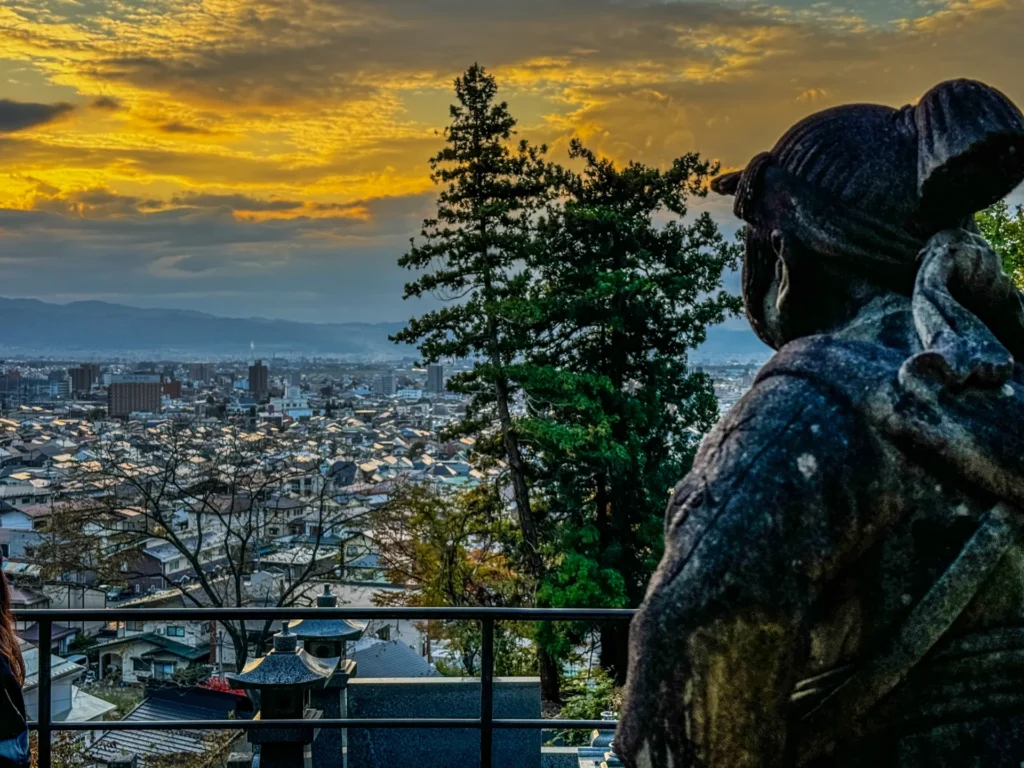
Iimoriyama is known as the site of the Byakkotai’s tragic suicide. This mountain lies close to the center of Aizu-Wakamatsu City, making it a place where visitors can feel the weight of history. Amidst the fierce battles of the Boshin War, the Byakkotai youths made the decision to take their own lives to fulfill their loyalty. The place they chose remains a symbol of their courage and sorrow, passed down through generations.
Iimoriyama also features an observation deck offering panoramic views of beautiful Aizu-Wakamatsu. Visitors can feel the thoughts of those young soldiers amidst the mountain’s tranquility. The vista from the deck evokes the image of the hometown they sought to protect, making the weight of history palpable. Iimoriyama is an essential spot for understanding the Byakkotai’s story and is well worth a visit.
It is a place where you can quietly feel the story of the Byakkotai alongside the scenery of Aizu-Wakamatsu.
The Byakkotai Memorial Museum|Learning the History of Child Soldiers
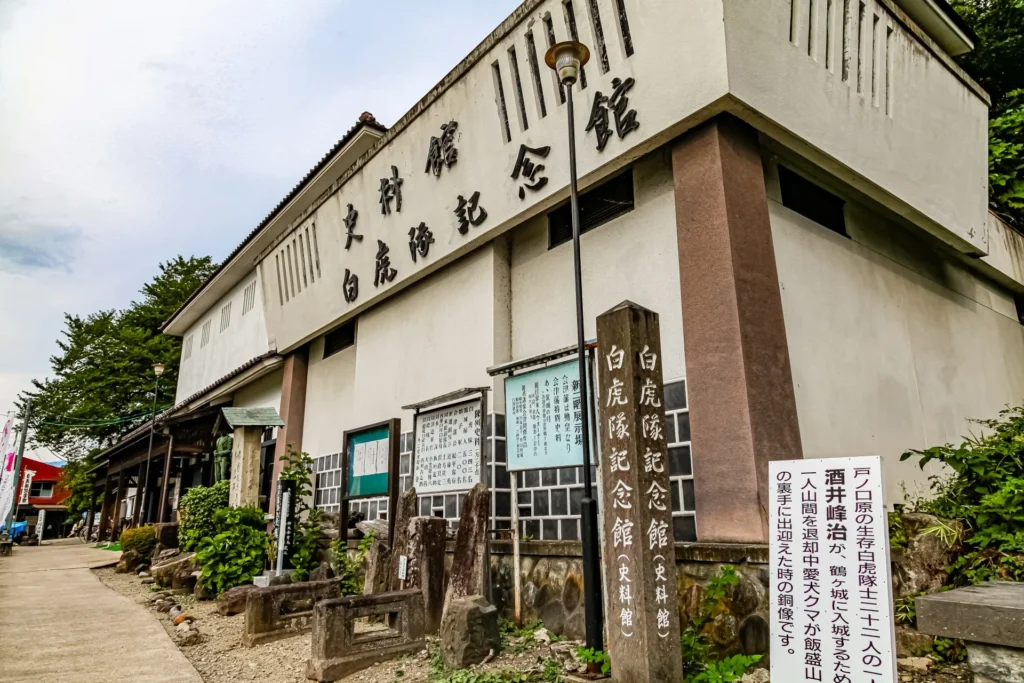
Located in Aizu-Wakamatsu City, the Byakkotai Memorial Museum is a place where visitors can deeply learn about the tragic history of child soldiers during the Bakumatsu period. The museum features numerous exhibits conveying the activities of the Byakkotai and the spirit of loyalty they embodied. Visitors can gain insight into their lives through valuable materials such as period costumes, weapons, and even letters and diaries written by the squad members.
Inside the museum, panel displays provide detailed explanations of the Shirotora Corps’ formation, their battles, and the tragic path leading to their ritual suicide, helping visitors understand the historical context. Additionally, a wealth of video materials is available, offering a compelling way to visually experience their story. Learning about the feelings these young boys held as they faced battle allows visitors to truly grasp the depth of their courage and loyalty.
The Byakkotai Memorial Museum is not merely a place to learn history; it is also a place that moves visitors. Even those who find history challenging will likely be drawn into their story through the exhibits and feel the sentiments of the people of the Aizu domain intimately.
Through the exhibits, you can feel the courage and loyalty of the young soldiers up close.
Tsuruga Castle|The Castle Ruins Defended by the Byakkotai
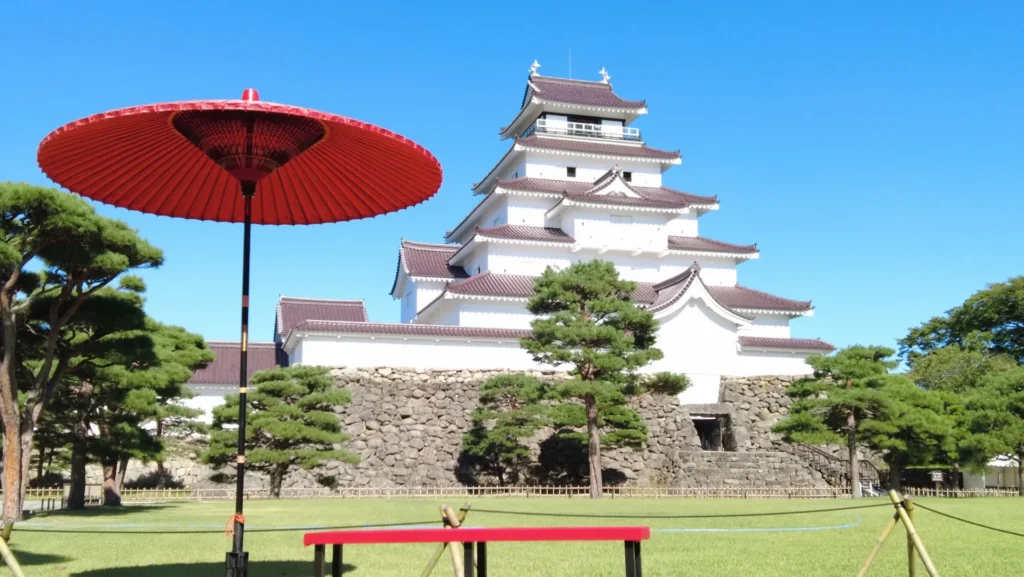
Tsuruga Castle is a historic castle located in the center of Aizu-Wakamatsu City, known as the place where the Byakkotai fought valiantly to defend it. Originally built during the Warring States period, this castle served as a crucial stronghold for the Aizu Domain. Particularly during the Boshin War at the end of the Edo period, it became a symbol of the Aizu Domain, with its samurai fighting fiercely to protect the castle.
The Byakkotai, composed of young boy soldiers, took pride in fighting to defend Tsuruga castle. Within the castle grounds, historical sites and monuments scattered throughout honor their courage and loyalty, reminding visitors of the tense circumstances of that time. The beautiful main keep of Tsuruga castle offers panoramic views of the surrounding landscape, making it a special place where one can feel the history of battle.
Today, Tsuruga castle is also a popular tourist attraction. Visitors can learn about its historical significance while reflecting on the story of the Byakkotai. Visiting the castle allows one to feel the spirit of loyalty they held and the sentiments of the people of the Aizu domain up close.
It possesses both the charm of a tourist destination and the weight of being a stage in the Boshin War.
Nisshinkan|The Domain School That Fostered the Byakkotai
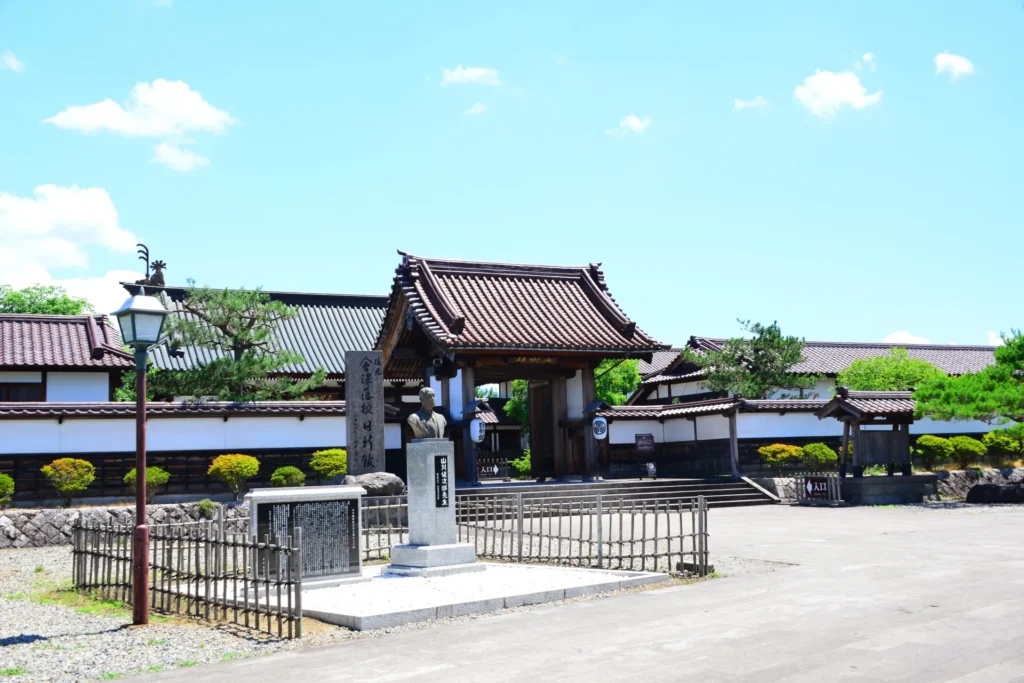
Nisshinkan is known as the domain school where the young members of the Byakkotai studied and grew. Established as an educational institution of the Aizu Domain, this school taught the sons of samurai the culture and tactics expected of warriors. In particular, the Byakkotai members drew upon the knowledge and spirit cultivated here to face the battlefield with loyalty and courage.
At Nisshinkan, Confucianism and martial arts were emphasized, and the sons of samurai received rigorous education. The members of the Byakkotai, despite their youth, held lofty aspirations and vowed to dedicate themselves to the domain. Their education went beyond mere academics; it was designed to deepen their sense of loyalty and strengthen their bonds with comrades.
Today, the site of Nisshinkan is cherished as a tourist attraction. Visiting here allows one to sense the environment in which the Byakkotai youths were raised and the convictions they held. Understanding their history offers deeper insight into the spirit and culture of the Aizu domain.
The loyalty cultivated in this place of learning sustained the Byakkotai’s courage.
Summary of the Byakkotai
The Byakkotai left an indelible mark on history as a particularly memorable presence amidst the turmoil of the Bakumatsu period. They were young warriors of the Aizu Domain who fought to protect their domain with loyalty and courage. The Byakkotai’s activities tell the story of how their beliefs and ideals were tested, and ultimately shattered, during the tumultuous era of the Boshin War.
Their tragic ritual suicide was not merely a scene from war; it symbolized the pure convictions of young men and the fate swept away by the tides of their era. The story of the Byakkotai is more than just a part of history; it continues to move many people today and leaves behind lessons. Their courage is passed down through the generations and remains deeply rooted in the land of Aizu-Wakamatsu.
Today, numerous tourist spots allow visitors to trace the White Tiger Corps’ footsteps and feel their story intimately. Learning about the White Tiger Corps’ history also connects us to understanding the Aizu domain’s history of hardship, offering us important lessons.